Water Pressure Problems? Causes and Solutions for Every Home
Ever stepped into your shower, expecting a blast, but got a trickle instead? Or heard pipes rattle so loud you wondered if your house was trying to tell you something? Water pressure problems sneak up on every type of home—from city condos to rural farmhouses.
At 4 Way Plumbing, we’ve seen it all, day and night. From curious droplets to pipes that sound like an old radiator, water pressure changes aren’t just annoying—they can be a sign something serious is bubbling below the surface. Let’s walk you through the how, why, and what you can do when water pressure becomes the villain in your home.
Common Water Pressure Problems 🚿
Low water pressure doesn’t just ruin showers. It causes slow-filling toilets, dribbling sinks, and appliances that take forever to run. Sometimes, you’ll hear pipes moaning and groaning, or even banging—like a ghost in the walls. High pressure, on the other hand, can burst pipes or wear out fixtures, leading to leaks and wasted water.
Here’s what you might notice:
- Weak showers and slow sinks: The flow just isn’t what it used to be.
- Toilets that refill slowly: Or not at all.
- Noisy pipes: Think clanking, rattling, or sudden thuds.
- Water hammer: That loud bang after turning off a tap.
- Sudden changes: Your water pressure dips or surges without warning.
Different homes, different headaches. In high-rises, pressure can drop on upper floors, especially during peak hours. Rural homes on wells might see pressure swings as pumps cycle on and off.
DIY Diagnosis: Step-by-Step Checks
Before you call in the cavalry, you can play detective. Here’s how to pinpoint what’s up:
1. Check Multiple Fixtures
Is it just one faucet, or the whole house? If it’s just the kitchen sink, the issue might be a clogged aerator. If every tap is slow, it’s likely a bigger problem.
2. Inspect for Visible Leaks
Look under sinks, behind toilets, and in the basement. Wet spots or puddles signal a leak.
3. Test Your Pressure
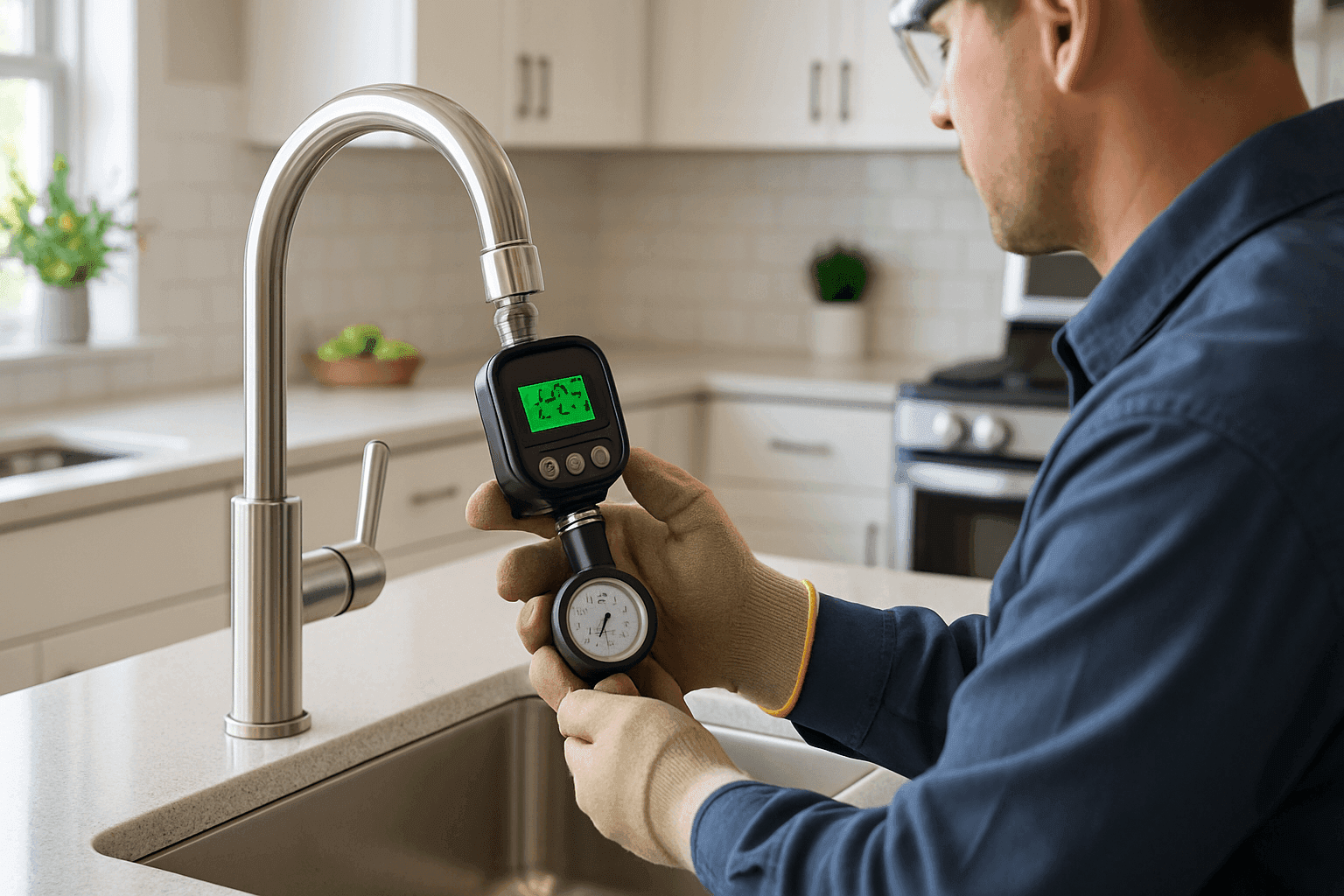
A simple gauge (found at hardware stores) screws onto an outdoor spigot. Normal home water pressure ranges from 40–80 psi. Anything below 40 feels weak; above 80 is too high.
4. Clean Faucet Aerators and Showerheads
Mineral buildup can clog screens. Unscrew, rinse, and reattach.
5. Isolate the Problem
- If only hot water is weak, suspect your water heater.
- If it’s all water, think bigger: main supply line, pressure regulator, or well pump.
Tool tip: A pressure gauge is your best friend for this job. A flashlight helps spot hidden leaks.
When to Call a Plumber
Some fixes are easy. Others need a professional hand—fast.
Call 4 Way Plumbing if you notice:
- Sudden, severe drops in pressure everywhere
- Water leaking from pipes or ceilings
- Noisy pipes you can’t quiet
- Rusty, dirty, or foul-smelling water
- Your well pump cycles constantly, or won’t turn off
- Pressure is dangerously high (over 80 psi)
- You’re in a high-rise and all neighbors are fine, but your unit isn’t
Don’t risk DIY when dealing with main lines, gas lines, or anything involving code compliance. Emergency plumbing issues—like burst pipes—need immediate help.
Pressure Regulator Info: The Hidden Hero
Most homes have a pressure regulator (sometimes called a PRV) near where the main water line enters. It acts like a bouncer, keeping pressure from getting out of hand. Regulators can fail over time, causing sudden spikes or drops.
Symptoms of regulator failure:
- All fixtures have low or high pressure
- Pressure changes for no reason
- Unusual noises from pipes
Tip: Adjusting or replacing a regulator usually requires shutting off the main supply and following local plumbing codes (refer to the International Plumbing Code for best practices). Leave this to a licensed pro.
Preventing Future Issues 🛠️
A few regular habits go a long way:
- Clean aerators and showerheads every few months
- Schedule annual leak inspections, especially after hard freezes
- Replace old, corroded pipes—repiping can prevent future headaches
- Have your pressure regulator and shut-off valves checked during routine maintenance
- If you’re on a well, test your pump and pressure tank yearly
Backflow prevention devices should be tested regularly to comply with local regulations. Hard water? Consider a water filtration system to reduce mineral buildup.
Costs & Time Factors
Water pressure repairs range from quick fixes to major projects. Here’s what affects cost and timing:
- Simple fixes: Cleaning aerators or minor leak repair—usually under an hour.
- Regulator replacement: 1–2 hours, plus parts.
- Repiping or main line repairs: Several hours to a full day.
- Well system repairs: Can be longer, especially if pumps are deep-set.
Factors include age of plumbing, accessibility, and whether emergency plumbing is needed.
When It’s an Emergency
Call for emergency plumbing if:
- Water is pouring from pipes or ceilings
- You have no water at all
- Sewer water backs up into your home
- Gas line issues are suspected (leave the house and call for help)
Safety comes first. Shut off your main water valve if you spot a major leak. If you smell gas, evacuate and call emergency services before calling a plumber.
FAQ
Why does my water pressure drop suddenly?
Most often, it’s a leak, a regulator issue, or a failing well pump. Sudden drops mean something major—don’t ignore it.
Can high water pressure damage my home?
Yes. It can wear out appliances, cause leaks, and even burst pipes.
How can I check my home’s water pressure?
Use a pressure gauge on an outdoor spigot. Look for 40–80 psi.
Is water pressure worse in high-rises?
Upper floors can have lower pressure, especially during peak demand. Buildings use booster pumps, but failures are common.
Local & Seasonal Considerations 🌦️
- High-rise buildings: Pressure often dips on upper floors due to gravity and demand. Booster pumps and regulators are critical.
- Rural homes with wells: Pressure swings as pumps run; tanks and switches need regular checks.
- Cold climates: Freezing pipes can reduce or stop pressure entirely.
- Hard water areas: More mineral buildup means more frequent cleaning.
Always follow local building codes and consult resources like your city’s plumbing department or the International Plumbing Code for safe, legal repairs.
Water pressure doesn’t have to be a mystery or a constant struggle. Whether you’re facing a minor annoyance or a full-blown emergency, 4 Way Plumbing is here with the tools, training, and code knowledge to get things flowing right.
Call 4 Way Plumbing now — or reach us anytime at 855-508-5170 .