Water Filtration Systems: Do You Need One for Your Home?
Have you ever filled a glass from the tap, only to pause—wondering what’s really in your water? Maybe there’s a faint smell. Or a taste that lingers. Or cloudy water swirling in your cup. You’re not alone. Homeowners everywhere are asking the same questions.
At 4 Way Plumbing, we see the worries firsthand: from hard water stains to mystery leaks and “off” flavors. As emergency plumbing pros serving homes with everything from Boiler Repair near you to leak detection, we know one thing—clean water isn’t just a luxury. It’s a must.
Do You Need Filtration? 💧
Water is like a story. Sometimes, what’s beneath the surface matters most. While municipal supplies are treated, pipes age—and contaminants sneak in. Well water brings its own wild cast of characters: minerals, bacteria, even pesticides. Hard water? That’s calcium and magnesium, leaving behind chalky reminders on your fixtures and skin.
Ask yourself:
- Does your water have an unusual taste or odor?
- Are there visible particles or cloudiness?
- Do you notice white spots on dishes, faucets, or shower doors?
- Has anyone in your home had recurring stomach issues or skin irritation?
- Do you rely on well water or have older pipes?
If you answered yes to any, it may be time to consider a filtration system. And if you’re in an area where emergency plumbing is a regular concern, water quality could be part of the puzzle.
How to Test Water Quality
You wouldn’t judge a book by its cover—or water just by its look. Testing is the key.
Water Quality Checklist
- Taste & Smell: Metallic, rotten egg, or chlorine scents?
- Color: Clear, brown, yellow—or cloudy?
- Sediment: Grit, floaties, or sand in the glass?
- Staining: Blue/green (copper), reddish-brown (iron), or white (lime scale) residue?
- Health Symptoms: Skin dryness, rashes, or digestive upsets?
Certified Water Testing
For peace of mind, certified labs test for:
- Lead, copper, iron
- Chlorine, chloramine, and disinfectant byproducts
- Bacteria (coliform, E. coli)
- Nitrates, pesticides, arsenic
The U.S. EPA sets water quality standards—public utilities must provide annual Consumer Confidence Reports (CCR). Find your local report for specifics. Private wells? The CDC recommends annual testing, especially after floods or repairs.
At 4 Way Plumbing, we recommend using a state-certified lab for accurate results. DIY test kits work for basics but can miss hidden risks.
Comparing Filter Systems
Not all filtration is created equal. Think of it as choosing the right tool for the right job.
Whole House Systems
- What they do: Filter every drop—showers, sinks, laundry, even outdoor spigots.
- Best for: Homes with well water, hard water, or sediment issues.
- Pros: Comprehensive; protects appliances and pipes from buildup.
- Cons: Higher upfront cost. Maintenance is key.
Under-Sink Filters
- What they do: Clean water at a single tap, usually the kitchen.
- Best for: Drinking and cooking water; renters or smaller homes.
- Pros: Effective for taste and odor; affordable; easy to access.
- Cons: Limited coverage; may need frequent filter changes.
Pitcher/Countertop Filters
- What they do: Portable, pour-through filtration.
- Best for: Quick fixes, renters, or backup.
- Pros: Low cost; no installation.
- Cons: Small capacity; slow; only covers what you pour.
Specialized Systems
- Reverse Osmosis: Removes most contaminants, including lead and nitrates.
- Carbon Filters: Great for taste and odor, some chemicals.
- Water Softeners: Target hard water minerals but don’t filter bacteria/metals.
Remember, your water’s unique “story” guides your filter choice. What works for hard water in one home may not help with lead in another.
Installation & Maintenance
Installing a filtration system isn’t the same as swapping out a lightbulb. Pipes, fittings, and water pressure all matter.
What’s Involved?
- Whole House Systems: Usually installed near where water enters your house. May require pipe cutting and shutoff.
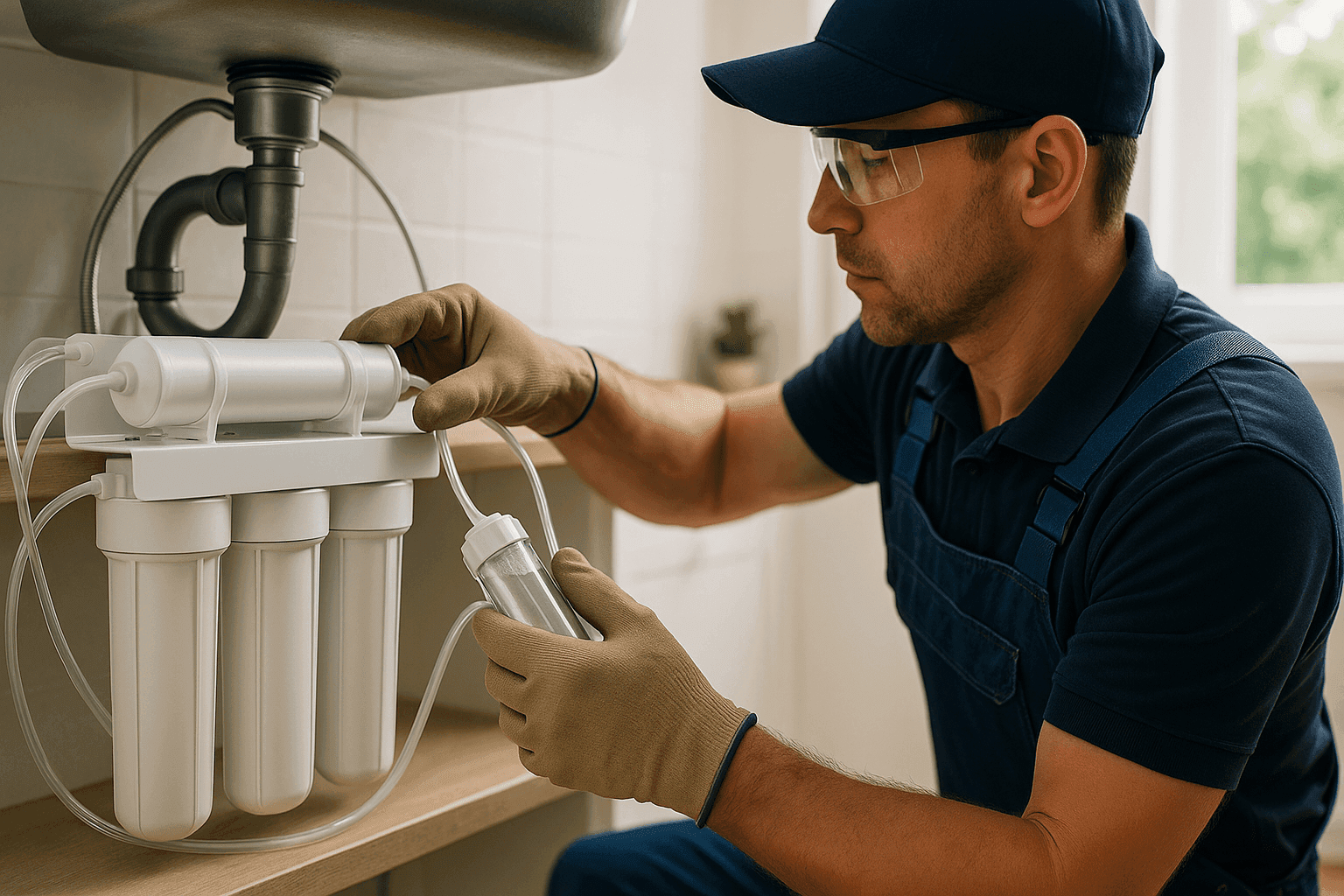
- Under-Sink Units: Mounted inside the cabinet, connected to the cold water line.
- Pitcher Filters: Just add water.
Maintenance
- Filter Changes: Most cartridge filters need replacement every 3–6 months. Some longer-life filters last a year or more.
- Pressure Checks: Clogs can drop water pressure—a warning sign your filter needs attention.
- Sanitizing: Some systems need periodic cleaning to prevent bacteria.
- Warranty: Quality systems often come with 1–3 year limited warranties. Keep receipts and follow manufacturer instructions.
If you’re not a seasoned DIYer, a call to 4 Way Plumbing can prevent leaks or cross-connections that lead to bigger headaches (and emergency plumbing visits).
Health and Cost Benefits 🏡
Clean water is more than just a comfort—it’s a shield for your family and your home.
Health Perks
- Safer Drinking Water: Filters reduce lead, chlorine, bacteria, and more.
- Better Skin & Hair: Softer water means less irritation, fewer rashes.
- Protective for Kids & Seniors: Vulnerable immune systems benefit most.
Home & Wallet
- Protects Pipes & Appliances: Fewer mineral deposits, less wear and tear.
- Reduces Cleaning Time: No more scrubbing hard water stains.
- Cuts Bottled Water Costs: Filtered tap water is pennies per gallon.
Real Stories
Homeowners often tell us about the difference they notice: “Our coffee tastes better.” “No more itchy skin after showers.” These moments—small but mighty—are why so many choose to invest in water quality.
EPA Standards & Your Water
The EPA’s Safe Drinking Water Act sets limits for over 90 contaminants. Public utilities must meet these, but issues can slip through (especially in homes with older plumbing). Review your annual water quality report—or, if you use well water, test regularly as recommended by the CDC and your local health department.
Hard Water, Well Water, or Municipal: What’s Different?
- Hard Water: Leaves scale on pipes, damages appliances, dries skin. Common in many regions—water softeners help, but may not remove all contaminants.
- Well Water: Nature’s wild card. Can contain bacteria, nitrates, and heavy metals. Needs regular testing and often multi-stage filtration.
- Municipal Supply: Treated for safety, but chlorine, lead (from pipes), and “off” tastes are frequent complaints.
Wherever your water comes from, filtration can be fine-tuned to your source.
Water Quality Checklist
Use this quick list to spot warning signs:
- Unusual taste, color, or smell
- Residue on fixtures or dishes
- Recent plumbing work or pipe repairs
- Family health issues (skin, stomach, etc.)
- Living in an older home (pre-1986 pipes often contain lead)
If you check any box, water testing is smart. For urgent leaks or water heater issues, remember 4 Way Plumbing is always ready for emergency plumbing calls.
Testimonials & Trust
Customers have shared:
“The under-sink filter installed by 4 Way Plumbing made a world of difference for our family. No more metallic taste, and installation was a breeze.”
“After a whole house system, our hard water issues vanished. The team explained everything and left our place spotless.”
We believe in transparency, certified solutions, and clear communication—especially when it comes to something as vital as your water.
Ready to Get Started?
Whether you’re curious about filter options, need help with installation, or want advice on Boiler Repair near you, we’re one call away.
Call 4 Way Plumbing now — or reach us anytime at 855-508-5170 .