Unclogging Toilets: DIY Steps and When It’s Time to Call
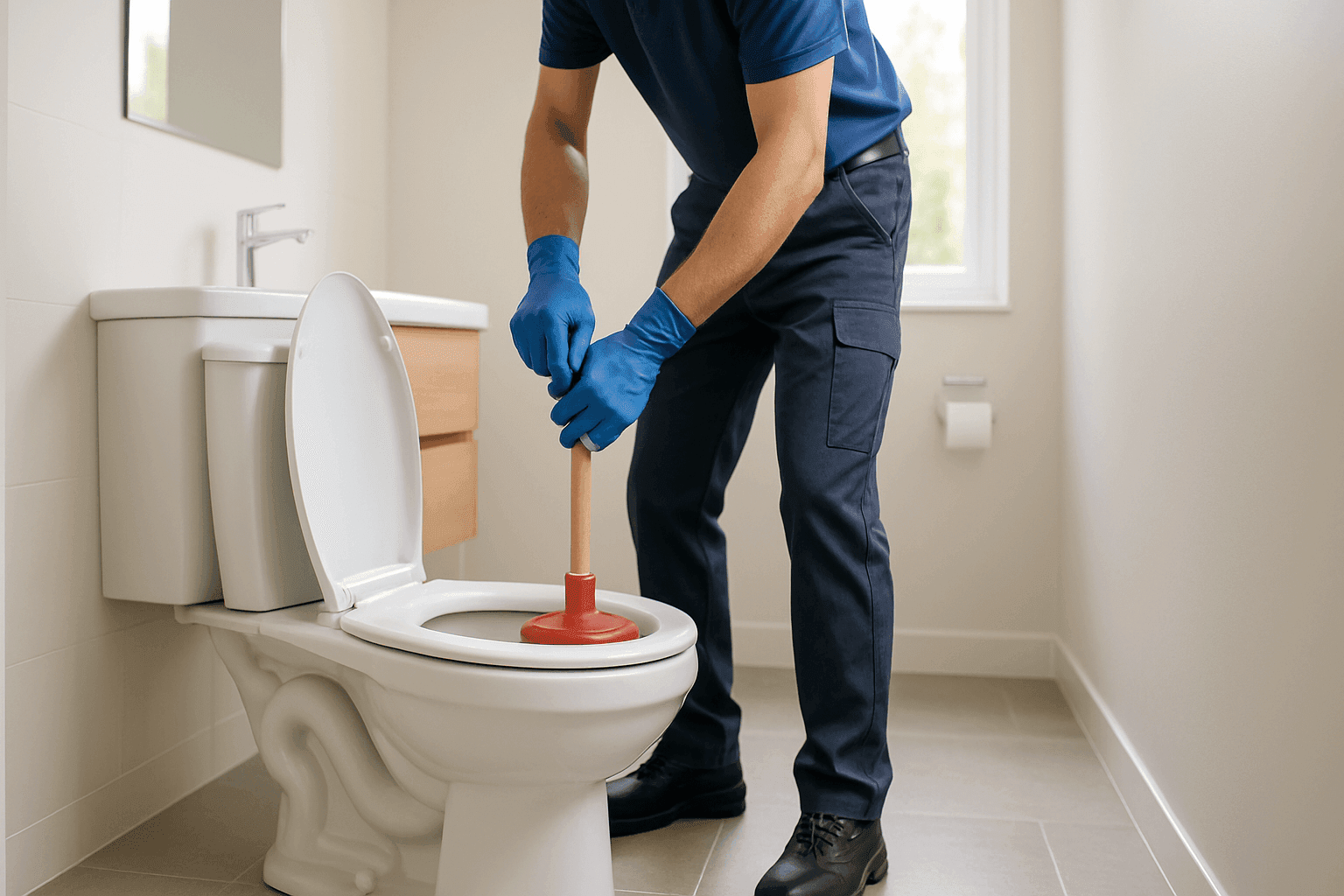
A clogged toilet never picks a convenient time. It’s stressful, sometimes embarrassing, and always urgent. At 4 Way Plumbing, we know the feeling—because we’ve helped thousands of households just like yours, day or night.
Before you panic, let’s walk through the real-life steps: what to try yourself, when to call for emergency plumbing, and how to keep things flowing in the future.
Why Toilets Clog 🚽
Clogs happen for all sorts of reasons. Sometimes it’s just too much toilet paper. Other times, it’s a sneaky toy, a clump of wipes, or a plumbing system showing its age.
- Older plumbing: Pipes in homes built before the 1980s are narrower and can build up gunk over time.
- Low-flow toilets: While great for saving water, early models (pre-1994, before EPA standards improved) often lack the flushing power to clear waste efficiently.
- “Flushable” wipes: Despite the name, these don’t break down like toilet paper and can snag on pipe rough spots.
- Mineral buildup: Hard water leaves deposits in pipes and jets, slowing the flush.
- Accidental drops: Kids’ toys, cotton swabs, or even too much hair—all can cause a stubborn blockage.
DIY Unclogging Methods
If the water’s rising, don’t just stand there—act fast but stay calm. Here’s what you can safely try:
1. Plunger Power
Grab a flange plunger (the type with a little “lip” on the bottom works best for toilets).
How to use:
- Position the plunger to fully cover the drain hole.
- Push down gently at first to seal, then plunge up and down forcefully.
- Keep the seal. Water should move, not splash.
- Repeat 15–20 times or until you hear the satisfying whoosh of a cleared clog.
Plumber tip: Don’t use a sink plunger (flat bottom)—it won’t get the seal you need.
2. Toilet Auger (a.k.a. Closet Snake)
When plunging isn’t enough, a toilet auger comes to the rescue.
How to use:
- Insert the rubber-coated end into the toilet.
- Crank the handle slowly, feeling for resistance.
- Gently push and twist to break up or pull out the clog.
- Withdraw the auger. Flush to check your work.
Safety: Wear gloves and eye protection. Augers can splash or send up debris.
3. Enzyme Cleaners
Skip harsh chemical drain openers—they can harm pipes, especially older ones. Enzyme-based cleaners (look for “septic safe”) use bacteria to digest organic matter.
- Pour in as directed, usually overnight.
- Works best for slow drains, not full blockages.
Note: Never mix cleaners. And never use hot water in a porcelain toilet—it can crack.
What Not to Flush
Think of your toilet like a ticket booth: only the right stuff gets in.
Flush only:
- Human waste
- Toilet paper (in reasonable amounts)
Never flush:
- “Flushable” wipes
- Paper towels
- Feminine hygiene products
- Dental floss
- Cotton balls/swabs
- Cat litter
- Grease or food scraps
- Toys, hair, or any plastic
According to the EPA, even so-called flushable wipes can cause major backups, especially in older systems.
Signs of a Bigger Issue
Sometimes, a clog is just the tip of the iceberg. Watch for these warning signs:
- Toilet overflows repeatedly even after plunging
- Multiple drains backing up at the same time (toilet + tub + sink)
- Gurgling noises from nearby drains
- Slow draining even after trying DIY fixes
- Water seeping around the base of the toilet
- Bad odors that don’t go away
These could point to a main sewer line blockage, a broken pipe, or tree roots invading your plumbing.
Emergency Help 🚨
If the situation is spiraling—water rising, overflowing, or sewage backing up—don’t wait.
Call emergency plumbing right away if:
- Water won’t stop overflowing (shut off the supply valve behind the toilet if possible)
- You see sewage coming up in the tub or sink
- DIY methods have failed after several tries
- There’s a strong sewage smell
We’ve had customers call at 2 a.m. in a panic, and our team was there within the hour. “4 Way Plumbing saved our home from a flood—fast, polite, and knew just what to do,” says one local homeowner.
Safety First: Quick Checklist
Before you roll up your sleeves, be smart:
- Wear rubber gloves and old clothes
- Put down towels to catch drips or spills
- Open a window for fresh air
- Keep kids and pets away
- Have a bucket handy for overflow
- Never use boiling water in porcelain fixtures
If you’re unsure, it’s always safer to call a pro.
When to Call a Pro vs. DIY
Some clogs are easy wins. Others are a warning from your plumbing. Here’s how to tell:
DIY is fine if:
- It’s a single, first-time clog
- The water level is manageable
- Plunging or augering works quickly
Call for help if:
- You’ve tried plunging and snaking with no luck
- The clog returns again and again
- There’s water or sewage outside the toilet
- Multiple drains in your home are slow or blocked
- You have an older home with frequent plumbing issues
Remember, persistent clogs may signal deeper problems—like cracked pipes, low water pressure, or a failing sewer line.
What the Pros Do On Arrival
When you call 4 Way Plumbing, here’s what to expect:
- Assessment: We’ll check not just your toilet but related drains and fixtures.
- Advanced tools: We use professional augers, hydro-jetting, and camera inspections to find and clear blockages.
- Safety: We follow local plumbing codes and safety standards.
- Advice: If we find issues like tree roots, broken pipes, or aging fixtures, we’ll explain your options without pressure.
Our techs are trained in the latest EPA standards for water efficiency and safety. If you have an older or low-flow toilet, we’ll help you find the right fix—sometimes a new fixture, sometimes just a smart repair.
Preventing Future Toilet Clogs
A little prevention saves a lot of trouble. Here’s how to keep things flowing:
- Remind family and guests what not to flush
- Use only as much toilet paper as you need
- Consider upgrading old, low-flow toilets to newer, more powerful models (EPA WaterSense-labeled)
- Schedule regular plumbing inspections, especially in older homes
- Install childproof locks if curious hands are a problem
- Address slow drains promptly—don’t wait for a full clog
Costs & Time Factors
Every clog is different, but here’s what to expect:
- DIY unclogging: Often takes 10–30 minutes with a plunger or auger
- Professional visit: Most calls take 30–60 minutes for a basic clog
- Complex blockages: May require camera inspection or hydro-jetting, which adds time
- Cost factors: Severity, accessibility, age of plumbing, need for parts
Remember, waiting can make it worse—and more expensive. Water damage, mold, and pipe repairs add up fast.
FAQ: Unclogging Toilets
Q: Are chemical drain cleaners safe for toilets?
A: Most aren’t. They can damage seals and pipes, especially in older systems. Stick to enzyme cleaners or call a plumber.
Q: My toilet keeps clogging—could it be the pipes?
A: Yes. Frequent clogs often point to narrow, rough, or damaged pipes. A camera inspection can pinpoint the issue.
Q: Is my low-flow toilet the problem?
A: Sometimes. Early low-flow models may not flush forcefully enough. Upgrading to an EPA WaterSense model can help.
Q: Can you help if it’s the main sewer line?
A: Absolutely. We handle everything from toilet clogs to full sewer line repair and installation.
Local & Seasonal Plumbing Considerations
Here’s what we see most in our area:
- Older neighborhoods: Cast iron or clay pipes clog easier; annual inspections recommended.
- Winters: Cold snaps can freeze pipes, causing back-ups when things thaw.
- Heavy rain: Flooded yards raise the water table, putting pressure on sewer lines. Sump pump repair and backflow prevention are key.
- Renovations: If you’re upgrading fixtures, consider professional installation to avoid new headaches.
Our team knows the quirks of local plumbing inside and out. Whether your home is a century old or brand new, we’re ready.
Clogged toilet got you stuck? For fast, reliable emergency plumbing—whether it’s a stubborn clog or a full-blown sewer backup—Call 4 Way Plumbing now — or reach us anytime at 855-508-5170 .