Toilet Repair 101: Fixing Common Problems Fast
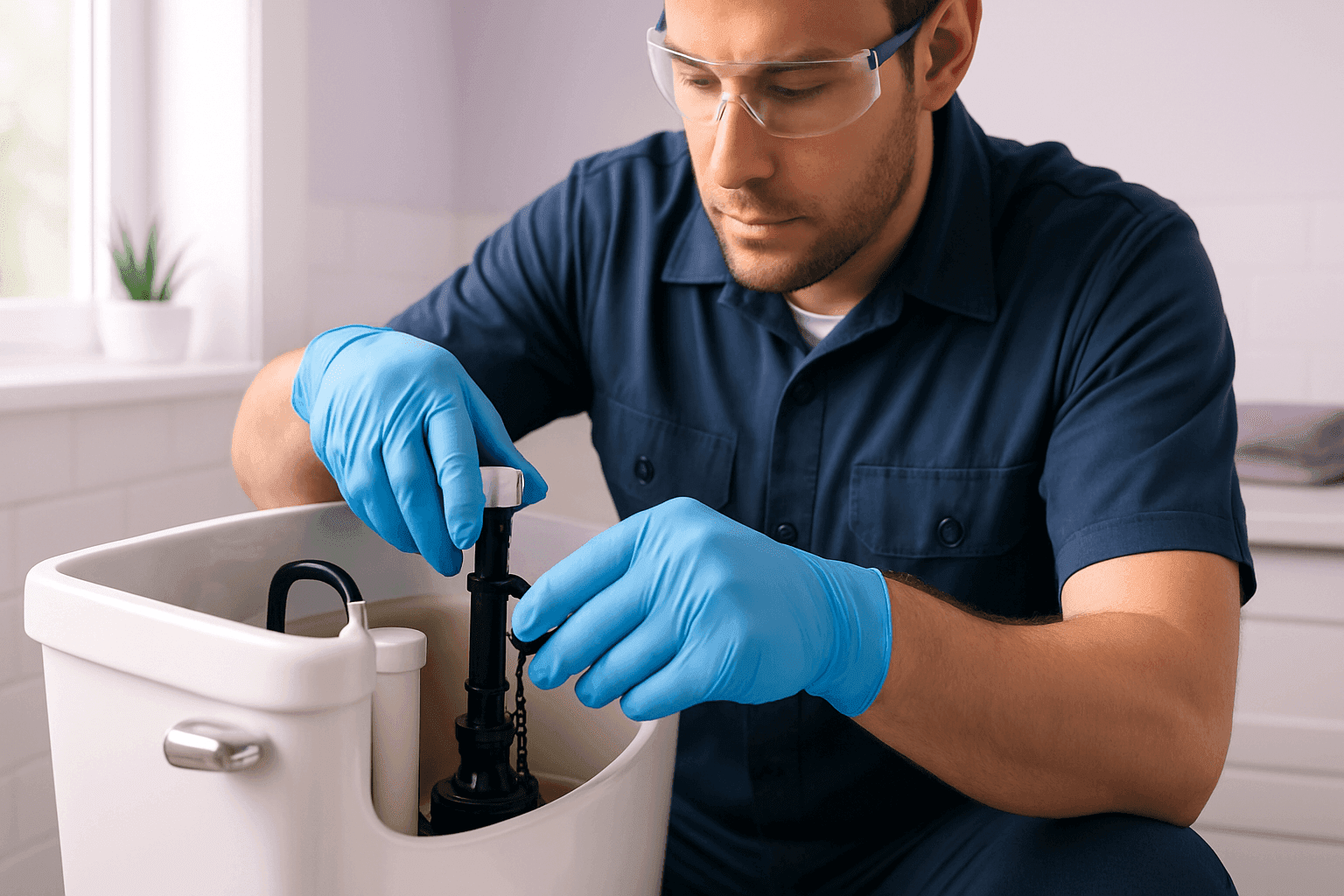
Ever had your toilet start running in the middle of the night? Or maybe water pools around the base, and you wonder if it’s a quick fix or a plumbing emergency. These problems can turn a peaceful home upside down—fast.
At 4 Way Plumbing, we know what that sudden panic feels like. Our licensed technicians have seen it all: clogs, leaks, weak flushes, and mystery puddles. Let’s break down what’s really going on, how you can tackle it, and when it’s smartest to get emergency plumbing help.
Diagnosing Toilet Problems
Toilets work quietly in the background—until they don’t. Here are the most common problems we see in homes across the area:
- Running constantly: Sounds like a tiny waterfall in your bathroom. Wastes gallons of water—bad news for your water bill and the environment.
- Clogs: Water rises. Nothing budges. Cue the panic.
- Weak flush: You flush, but it’s more of a whisper than a whoosh.
- Leaks at the base: Water seeping around the bottom. This can damage floors and cause bigger headaches.
How to Spot the Problem
- Listen: Does water keep trickling after you flush? That’s a sign of a running toilet.
- Look: Is there water around the base? Wet spots or yellow stains are classic clues.
- Feel: Is the flush handle loose or hard to press?
- Smell: Musty or sewage odors signal leaks or drain issues.
🛠️ Pro tip: Many toilet issues start small. Early signs, like a slow fill or faint hissing, often mean a quick fix now instead of a bigger bill later.
Quick Safety Checklist 🚨
Before you grab any tools, make sure you’re set up for success and safety:
- Turn off the shut-off valve behind the toilet (usually a silver knob).
- Clear the area of rugs, towels, and other items.
- Wear rubber gloves. Toilets aren’t glamorous, but clean-up is easier with protection.
- Have a mop and bucket nearby for spills.
- Avoid chemical drain cleaners. They can damage pipes and are hazardous if splashed.
And if water is flowing out uncontrollably or you see sparks near outlets—leave the room and call emergency plumbing help immediately.
DIY Fixes for Running Toilets
A running toilet is like a leaky wallet. Here’s how to fix it, step by step.
Tools You’ll Need
- Adjustable wrench
- Flathead screwdriver
- Replacement flapper or fill valve (if needed)
- Towel or sponge
Step-by-Step: Stopping a Running Toilet
- Lift the tank lid. Set it aside carefully—it’s heavy and fragile.
- Check the flapper: This is the rubber piece at the bottom. If it’s warped or doesn’t seal, water will keep leaking into the bowl.
- Jiggle the flush handle. If the flapper doesn’t move freely, it might be tangled or worn out.
- Inspect the chain: If it’s too short or too long, adjust it so the flapper can seal snugly.
- Check the float: If it’s stuck or set too high, water can overflow into the overflow tube. Lower it by bending the rod or adjusting the screw.
- Replace any worn parts: Shut off the water supply, flush to empty the tank, and swap out the flapper or fill valve if needed.
💧 EPA Water-Saving Tip: Old toilets can use up to 6 gallons per flush. Modern, EPA WaterSense-certified models use just 1.28 gallons. Upgrading saves you money and helps drought-prone areas. (Source: EPA WaterSense)
What If It’s Still Running?
If you’ve swapped the flapper and adjusted the float but water still leaks, the fill valve might be the culprit. Fill valves can wear out, especially in homes with hard water.
Clearing Clogs Safely
Clogs never happen at a good time. But with the right approach, you can often clear them yourself.
Tools You’ll Need
- Plunger (flange style works best for toilets)
- Toilet auger (for stubborn clogs)
- Bucket and old towels
How to Plunge Right
- Add water to the bowl until it’s about halfway full if needed.
- Insert the plunger so it covers the drain completely. Push down gently at first to form a seal.
- Pump up and down rapidly 10–15 times. Keep the seal tight.
- Lift the plunger. If water drains away, you’re golden. If not, repeat or use a toilet auger.
Using a Toilet Auger
- Insert the tip into the drain and crank gently.
- Feel for resistance—that’s your clog.
- Work the auger back and forth to break up the blockage.
- Pull out slowly and dispose of debris.
🚽 Safety note: Never use a wire hanger or sharp object in the toilet. You could crack the porcelain or damage pipes.
When to Replace Parts
Some toilet parts wear out faster than others. Here’s when it’s time for a swap:
- Flapper: If it’s brittle, warped, or doesn’t seal, replace it.
- Fill valve: If water keeps running or refills slowly, a new valve can fix it.
- Wax ring: If water leaks at the base, the wax seal may have failed.
- Handle or chain: If the flush is weak or the handle sticks, these are quick DIY fixes.
If you’re seeing rust, cracks, or repeated problems, parts replacement might not be enough—time to call for professional help.
When to Call a Pro
Sometimes, a toilet problem is just the tip of the iceberg. Here’s when you should bring in a licensed plumber from 4 Way Plumbing:
- Leaks at the base: Water here can mean a broken seal, cracked flange, or worse.
- Frequent clogs: If you’re plunging more than once a week, pipes may be blocked further down.
- Sewage smells: Persistent odors mean trouble in the sewer line or vent stack.
- Water won’t stop flowing: A failed shut-off valve or major internal break needs fast, professional attention.
- Cracked porcelain: This can’t be patched and risks water damage.
📝 Technician’s Note: Our licensed team follows the Uniform Plumbing Code and local safety guidelines at every job.
What Pros Do on Arrival
Ever wonder what goes on when a 4 Way Plumbing technician rings your doorbell?
- Inspect: We check the toilet, supply lines, and nearby fixtures for hidden leaks or damage.
- Test: We flush, check water pressure, and look for slow drains or gurgling sounds.
- Diagnose: Using leak detection tools and sometimes small cameras, we find the root cause.
- Repair or replace: We use quality parts and follow code, whether it’s a new wax ring, valve, or full toilet installation.
- Clean up: No mess left behind.
Prevention & Maintenance
A little care goes a long way. Here’s how to keep toilet trouble at bay:
- Don’t flush wipes, feminine products, or paper towels. Even “flushable” wipes can clog pipes.
- Check for leaks monthly. Put a few drops of food coloring in the tank; if color appears in the bowl without flushing, you have a leak.
- Gently clean the flapper and float every few months to prevent buildup.
- Schedule preventative maintenance: Annual inspections by a licensed plumber can catch small issues early.
🧼 Pro tip: Hard water can shorten the life of toilet parts. Water filtration systems can help keep everything running smoothly.
Costs & Time Factors
Toilet repairs don’t have to break the bank—or your schedule. Here’s what to expect:
- DIY fixes: Replacing a flapper or handle can take 15–30 minutes and cost under $20.
- Professional repairs: Most common issues (like replacing a wax ring or fill valve) are fixed in under an hour.
- Complex leaks or repiping: These take longer and may require more parts and labor.
Remember, ignoring small problems can lead to bigger, costlier repairs down the line.
When It’s an Emergency
Some toilet issues can’t wait:
- Water overflowing and won’t stop: Shut off the water and call for emergency plumbing now.
- Sewage backups: Health risk—don’t wait.
- Continuous leaks near electrical outlets: Risk of shock.
A fast response can prevent water damage and protect your home.
FAQ ❓
How do I know if my toilet needs to be replaced, not just repaired?
If you’re seeing cracks, frequent leaks, or ongoing problems after several repairs, it may be time for a new unit. Older toilets (20+ years) are less efficient and use much more water.
Are low-flow toilets good for drought-prone areas?
Absolutely. Modern low-flow toilets are engineered for strong flushes with less water, helping save thousands of gallons per year—especially important in dry climates.
Can I fix a leaking base myself?
Replacing a wax ring is possible for a confident DIYer, but it involves lifting the toilet. If you’re unsure, call for professional help to avoid damaging your floor or plumbing.
Will a plumber fix water pressure issues with my toilet?
Yes, water pressure problems can stem from valves, supply lines, or even municipal sources. A licensed plumber will diagnose and fix the root cause.
Local & Seasonal Considerations 🌵
In drought-prone regions, water conservation is critical. Many homes have older toilets that use far more water than necessary. If you’re dealing with chronic running toilets or outdated models, upgrading to a WaterSense-certified toilet can save both water and money.
Seasonal changes—like cold snaps—can also cause pipes to contract and seals to fail. If you notice new leaks after a cold spell, get your plumbing checked right away.
If your toilet is causing trouble, don’t let it ruin your day (or your floors). For urgent help or expert repairs, Call 4 Way Plumbing now — or reach us anytime at 855-508-5170 .