Sump Pump Failure? How to Troubleshoot and Prevent Flooding
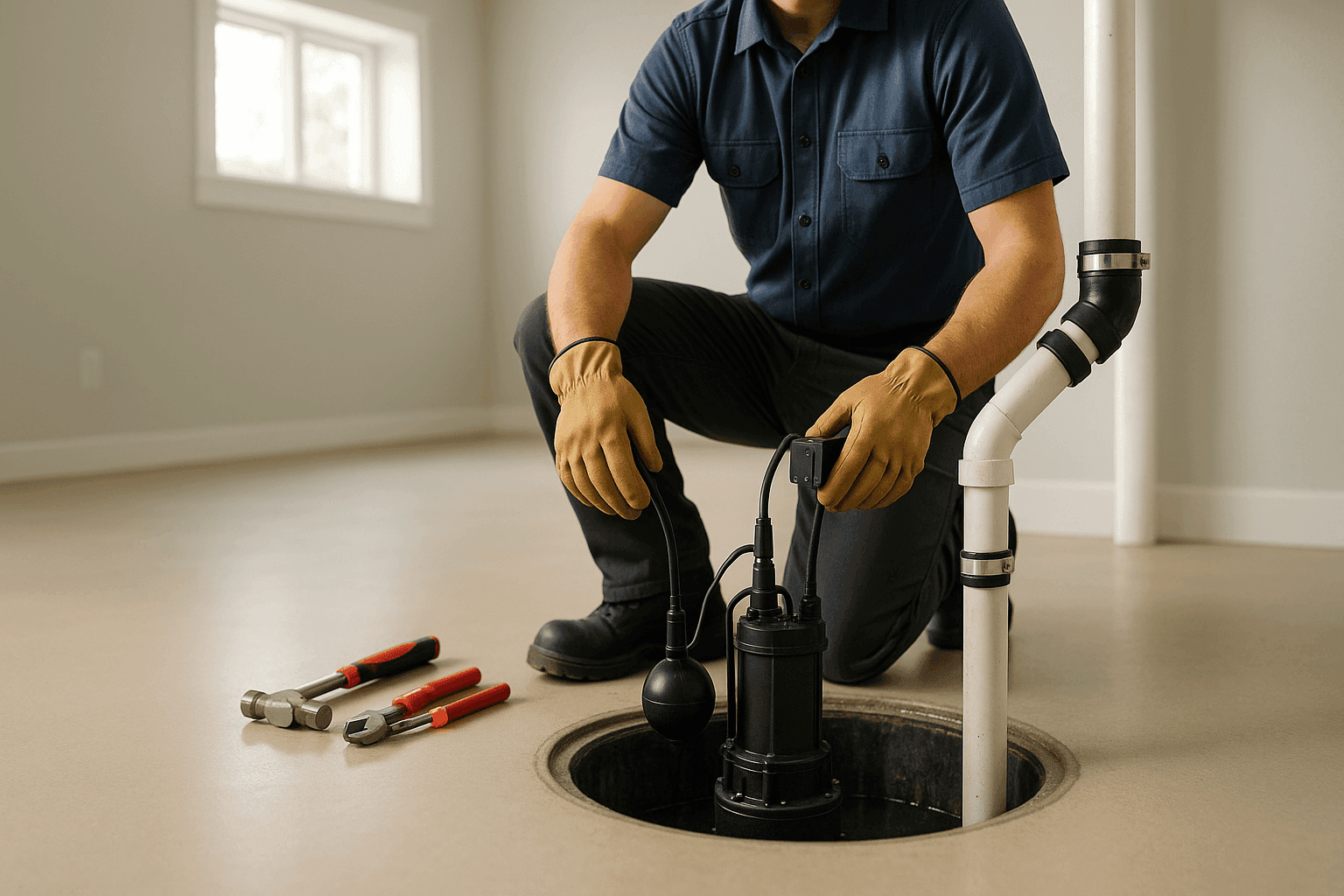
Are storm clouds gathering? If your sump pump quits, your basement can turn into a swimming pool overnight. Homeowners in floodplain regions know the sinking feeling of water rising where it shouldn’t—fast.
At 4 Way Plumbing, we’ve helped families through midnight emergencies and sudden downpours. Our licensed, experienced team knows what matters most: protecting your home, your memories, and your peace of mind.
Common Sump Pump Problems
Sump pumps are the silent watchers in your basement. Most days, you don’t even think about them. Until they stop working—and water creeps in.
Watch for these red flags:
- Weird noises: Grinding, gurgling, squealing—none of these belong in a healthy sump pump. Think of it like a car engine stalling right before a road trip.
- Not turning on: If the pump sits quiet during a storm, something’s wrong. This could be a stuck float, a blown fuse, or a fried motor.
- Running nonstop: Like a runner on a treadmill who can’t stop, a constantly running pump signals a stuck switch, high water table, or discharge issues.
- Foul smells: Stagnant water or sewage-like odors point to clogs or sewer line trouble.
- Visible rust, corrosion, or cracks: These are warning flares. Ignore them and you risk complete pump failure.
Homeowners in storm-prone areas especially can’t afford to ignore these signs. According to the International Association of Certified Home Inspectors (InterNACHI), over 60% of U.S. homes will experience below-ground water problems at some point.
Quick Safety Checklist 🛑
Before you do anything, stay safe:
- Shut off power to the pump at the breaker if you see sparks or smell burning.
- Wear rubber boots if water is present. Electricity and water are a dangerous duo.
- Keep kids and pets away from flooded areas.
- Do not touch the pump or outlet if you’re standing in water.
- Check for gas smells. If you smell gas, leave immediately and call emergency services.
Never risk a shock or injury—your safety comes first.
DIY Troubleshooting Steps
Ready for a little detective work? Here’s how you can check your sump pump before calling for emergency plumbing:
- Check the power: Make sure the unit is plugged in and the breaker isn’t tripped.
- Test the float switch: Lift the float gently; the pump should kick on. No response? The switch or motor might be shot.
- Clear debris: Remove leaves, silt, or small toys (!) from the pit. A clogged intake is a common culprit.
- Inspect the discharge line: Look outside—make sure the pipe isn’t frozen, blocked, or crushed.
- Listen closely: A humming but non-working pump means the motor’s stuck or jammed.
- Reset the pump: Unplug, wait 30 seconds, and plug back in—sometimes that’s all it takes.
If the pump still refuses to work, it’s time to call 4 Way Plumbing. Don’t wait for the water to rise.
Preventing Basement Flooding
A working sump pump is your home’s moat. But even the best moat has weak spots. Here’s how to shore up your defenses:
- Test your pump every season. Pour a bucket of water into the pit and watch it work.
- Install a battery backup. When the power’s out, regular pumps stop. A backup keeps the water moving—especially crucial during storms.
- Add a high-water alarm. Get notified before flooding gets out of hand.
- Keep gutters and downspouts clear. Direct water away from your foundation.
- Seal basement cracks. Even hairline cracks can invite major leaks.
- Consider a water-powered backup. If you’re in a high-flood zone, these can work even if electricity and batteries fail.
Flood Prevention Checklist:
- Test sump pump monthly
- Clean pit quarterly
- Replace backup batteries annually
- Inspect discharge line each spring/fall
- Store valuables on shelves, not the floor
And don’t forget insurance. Review your policy—standard homeowners insurance often excludes basement water damage. Talk to your agent about adding flood coverage.
When to Replace vs. Repair
Not every sump pump can be saved. Here’s how to decide:
- Age matters. Most pumps last 7–10 years. After that, reliability drops.
- Frequent breakdowns? If you’re calling for repairs more than once a year, replacement saves headaches.
- Visible damage. Cracks, heavy rust, or melted wires are deal-breakers.
- Repeated power loss. If storms knock out your power often, upgrade to a battery backup system.
If you’re unsure, our licensed plumbers will give you straight, honest advice—no pressure, just facts.
Emergency Prep for Storms ⛈️
Floodplain regions face special risks every season. Preparation beats panic every time.
Pre-Storm To-Do:
- Charge battery backups
- Move electronics and keepsakes to higher ground
- Store a portable pump and extension cords
- Keep emergency numbers handy (like 4 Way Plumbing!)
- Review your insurance policy details
During the Storm:
- Monitor the sump pit and listen for odd noises
- Don’t run appliances in a wet basement
- If you see water rising, shut off the main power (if safe)
After the Storm:
- Inspect for water damage, mold, and electrical issues
- Call for a professional sump pump and plumbing inspection
Real Voices: Homeowners in the Flood Zone
“Last spring’s storm knocked out our power. The sump pump quit and water started pouring in. 4 Way Plumbing was at our door within the hour. The battery backup they installed has already saved us twice since.”
— Jamie R., local resident
“After two basement floods, we finally listened and upgraded our sump pump system. Haven’t had a single issue since. Thanks, 4 Way!”
— Marcus & Lee, floodplain homeowners
These aren’t just stories—they’re proof. Preparation pays off.
When It’s an Emergency
If water is rising fast, you smell gas, or your electrical panel is wet—leave the basement and call for emergency plumbing. Time is critical. Floodwaters can ruin drywall, flooring, and family keepsakes in minutes.
If it’s safe, take pictures for insurance before cleanup begins.
FAQ
Q: How often should I test my sump pump?
A: At least every three months—more often during heavy rain seasons.
Q: Is basement flooding always covered by insurance?
A: Not always. Standard policies often exclude water damage from sump pump failure. Ask your agent about flood add-ons.
Q: What’s the difference between a sump pump and a sewage ejector pump?
A: Sump pumps handle groundwater; ejector pumps move sewage and wastewater.
Q: Can I install a battery backup myself?
A: Some homeowners do, but mistakes are common. For peace of mind, call a licensed plumber.
Local & Seasonal Considerations
Living in a floodplain or storm-prone area? Your sump pump is more than a convenience—it’s a lifeline. Spring thaws, summer storms, and autumn hurricanes put your system to the test.
City codes (per the International Plumbing Code and local building departments) often set minimum standards for sump pump installation and discharge. Always check local requirements before upgrading or installing new systems.
Regular preventative maintenance—especially before storm season—can mean the difference between a dry basement and a disaster.
When your sump pump fails, there’s no time to lose. Protect your home and your family—don’t wait until water’s already rising.
Call 4 Way Plumbing now — or reach us anytime at 855-508-5170 .