Seasonal Plumbing Maintenance Checklist for Homeowners
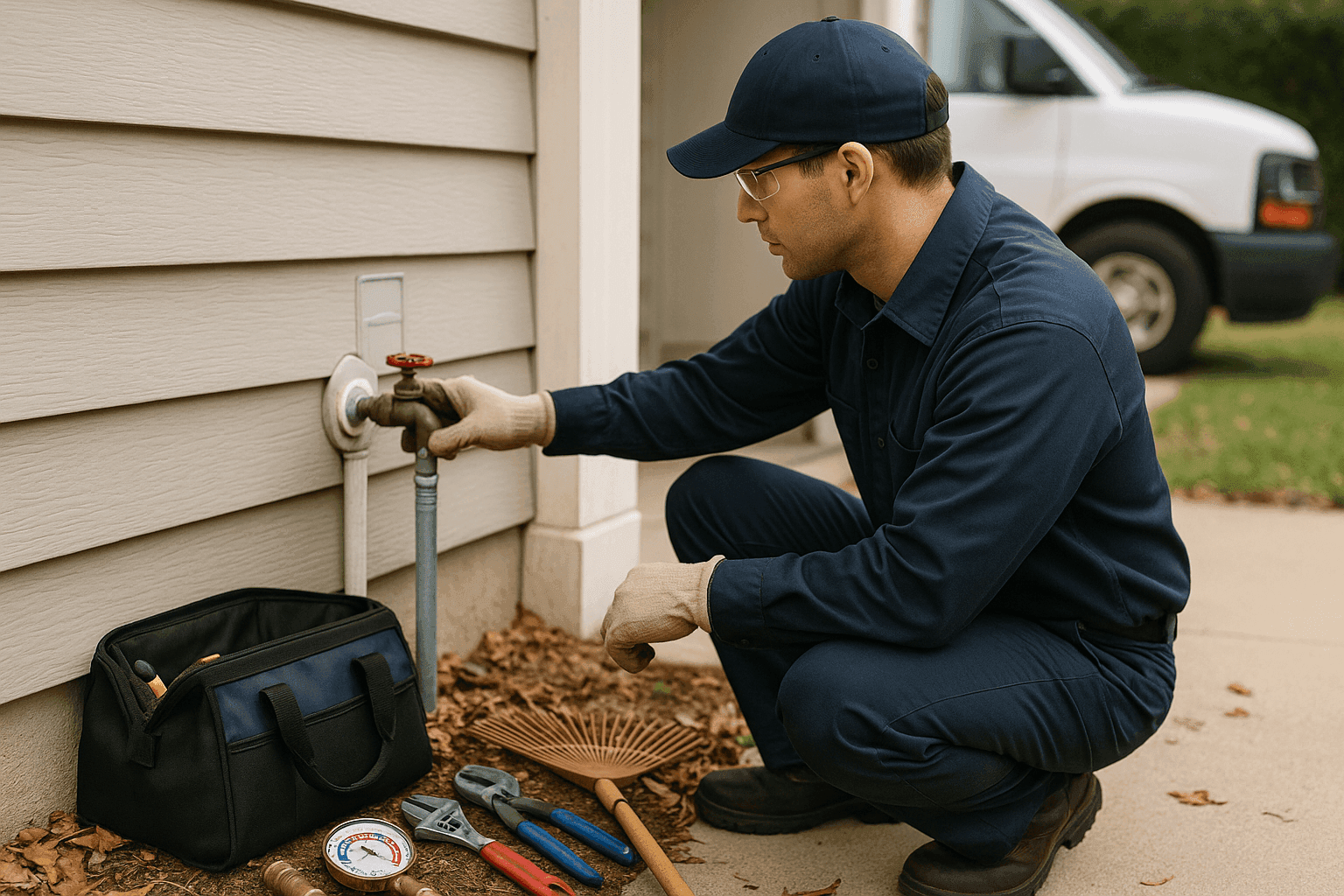
Life gets busy. Plumbing problems don’t care. One day, everything’s flowing smoothly—the next, water’s pooling under the sink or the hot shower turns ice-cold. For homeowners and small business owners, those surprises can mean lost time, money, and peace of mind.
That’s why the professionals at 4 Way Plumbing recommend a simple, seasonal approach. With the right checklist, you can spot warning signs early, tackle small tasks yourself, and know when it’s time to call for emergency plumbing help. We’re here to share what works—no guesswork, just practical steps.
Why Seasonal Plumbing Maintenance Matters
Think of your plumbing like your car. Ignore it, and little issues become big repairs. Give it regular attention, and it’ll keep running strong. Each season brings its own plumbing challenges—frozen pipes in winter, heavy rains in spring, thirsty lawns in summer, falling leaves in autumn.
Staying ahead of those changes isn’t just about comfort. It’s about protecting your investment, preventing water damage, and keeping your family or business safe. According to the International Association of Certified Home Inspectors (InterNACHI), routine checks can cut the risk of costly water leaks by up to 50%.
Quick Safety Checklist ✅
Before you start poking around pipes or drains, safety comes first. Here’s a quick list to keep you out of harm’s way:
- Turn off the main water supply before major inspections or repairs.
- Wear gloves and eye protection when handling chemicals or debris.
- Never use electrical appliances near standing water.
- Know where gas shutoff valves are located.
- Keep children and pets away from work areas.
- If you smell gas or see sparks, evacuate and call emergency services immediately.
SPRING: Thaw, Test, and Tidy Up 🌱
As the ground thaws and rains pick up, spring is the season for renewal—and plumbing surprises.
Spring Checklist
- Inspect exposed pipes for cracks or leaks caused by winter freezes.
- Check sump pumps by pouring water into the pit. Listen for smooth operation.
- Test all faucets (indoor and outdoor) for drips or reduced pressure.
- Clean gutters and downspouts to keep water flowing away from your foundation.
- Look for water stains on ceilings and walls—these are early clues of hidden leaks.
- Flush your water heater to remove sediment buildup and improve efficiency.
Pro Tips
- Use a flashlight to check under sinks and behind appliances.
- If your sump pump vibrates or makes odd noises, it may be time for repair or replacement.
- For slow drains, avoid harsh chemicals. Try a plunger or a drain snake.
SUMMER: Water Conservation and Vacation Prep ☀️
Summer’s heat means higher water use and, sometimes, hidden leaks.
Summer Checklist
- Inspect hoses and outdoor faucets for leaks or cracks.
- Check irrigation systems for pooling water or soggy spots in the yard.
- Test toilets for silent leaks by adding a few drops of food coloring to the tank—color in the bowl means it’s leaking.
- Look for signs of mold around sinks, tubs, and toilets.
- Examine water pressure—sudden drops may signal a leak or pressure regulator problem.
- If leaving for vacation, turn off the water main and set your water heater to vacation mode.
Pro Tips
- Replace old washers on garden hoses to save water.
- Don’t ignore musty smells—mold can indicate a hidden plumbing issue.
- High water bills? Check for leaks before calling in a pro.
AUTUMN: Prep for the Chill 🍂
Fall is your last line of defense before winter’s freeze.
Autumn Checklist
- Drain and store garden hoses to prevent cracking.
- Shut off and drain outdoor faucets to avoid burst pipes.
- Inspect boiler and water heater for rust, leaks, or strange noises.
- Check pipe insulation—add or replace where needed.
- Clean out gutters and downspouts again after leaves fall.
- Test sump pump before heavy autumn rains.
Pro Tips
- Use foam pipe covers in unheated areas like garages or basements.
- Listen for gurgling in pipes—a sign of air pockets or blockages.
- Schedule a professional inspection if your boiler is older than 10 years.
WINTER: Freeze Protection & Emergency Readiness ❄️
Cold snaps can turn a minor leak into a major flood overnight.
Winter Checklist
- Let faucets drip during extreme cold to keep water moving.
- Open cabinet doors under sinks to allow warm air to circulate.
- Check for drafts around pipes and seal them.
- Test your sump pump battery backup (if you have one).
- Know where your main shutoff valve is—and make sure it works.
- Inspect gas lines and connections for leaks or corrosion.
Pro Tips
- Never use open flames to thaw frozen pipes—use a hair dryer or call a pro.
- If you lose water pressure suddenly, check for frozen pipes.
- Keep emergency plumbing contacts handy for fast help.
DIY vs. When to Call a Pro
Some plumbing maintenance is as simple as tightening a washer or plunging a drain. Other times, it’s like opening Pandora’s box—one twist, and things get messy.
DIY Tasks
- Replacing faucet washers or aerators
- Clearing minor clogs with a plunger
- Flushing water heaters
- Insulating exposed pipes
Call 4 Way Plumbing If:
- You spot persistent leaks or water stains
- There’s no hot water or odd noises from the heater
- Drains back up repeatedly
- You smell gas or suspect a gas leak
- You find mold, mildew, or unexplained dampness
Remember: Plumbing codes exist for a reason. According to the Uniform Plumbing Code (UPC), improper repairs can cause health hazards and property damage. If you’re unsure, don’t risk it.
What 4 Way Plumbing Pros Do On Arrival
When you call for emergency plumbing help, here’s what to expect:
- Quick assessment of the situation, prioritizing safety for everyone.
- Use of moisture meters, leak detection tools, and inspection cameras.
- Clear explanation of the problem and recommended solutions (no jargon).
- Repairs that follow national plumbing safety standards.
- Cleanup and advice on preventing future issues.
Our team is certified, trained, and ready for anything from a small leak to a major sewer line repair.
Prevention & Maintenance: The Year-Round Advantage
Preventative care is like oiling the hinges before the door squeaks. It keeps things running quietly and saves you money in the long run.
Year-Round Habits
- Check under sinks and around fixtures monthly for dampness.
- Listen for changes in water pressure or odd plumbing noises.
- Clean drains with baking soda and vinegar (never harsh chemicals).
- Replace old supply lines with braided stainless steel.
- Schedule annual inspections for water heaters, boilers, and backflow devices.
According to the Environmental Protection Agency (EPA), fixing easily corrected leaks can save homeowners 10% on their water bills.
Costs & Time Factors
Plumbing maintenance doesn’t have to drain your wallet—or your day.
- Simple tasks (like checking for leaks or insulating pipes) take 10–30 minutes.
- Water heater flushing: 1–2 hours.
- Professional inspections: Usually under 2 hours, depending on the size of your home or business.
- Emergency repairs: Time varies. Fast response is key to limiting damage.
Cost depends on the issue, age of your plumbing, and parts needed. Investing in maintenance now can prevent expensive emergencies later.
When It’s an Emergency
Some plumbing problems can wait. Others can’t.
Call for emergency plumbing if:
- Water is flooding indoors.
- You lose all water service.
- Sewage is backing up into sinks or tubs.
- You smell gas or suspect a leak.
- Pipes burst or freeze solid.
Fast action limits damage. Safety comes first. If in doubt, call 4 Way Plumbing.
FAQ: Seasonal Plumbing Maintenance
How often should I check for plumbing leaks?
Check visible pipes and fixtures monthly. Seasonal deep inspections help catch hidden issues.
Can I use chemical drain cleaners?
Avoid them. They can damage pipes and harm the environment. Use a plunger or a drain snake instead.
What’s the best way to prevent frozen pipes?
Insulate exposed pipes, keep heat on in cold weather, and let faucets drip during extreme cold.
When should I replace my water heater?
Most last 8–12 years. If you notice rust, leaks, or inconsistent hot water, it’s time to consider replacement.
Special Considerations for Homeowners and Small Businesses
Every building is unique. Older homes may have aging pipes that need extra care. Businesses with commercial kitchens or multiple restrooms should schedule regular professional inspections to stay code-compliant and avoid costly downtime.
For properties with basements, sump pump checks are essential before rainy seasons. If you have a water filtration system or backflow preventer, follow manufacturer guidelines and test annually.
Remember: Plumbing is more than pipes. It’s about protecting your property, your comfort, and your peace of mind—all year long.
Call 4 Way Plumbing now — or reach us anytime at 855-508-5170 .