Preventing Plumbing Emergencies: Essential Tips for Homeowners and Small Businesses
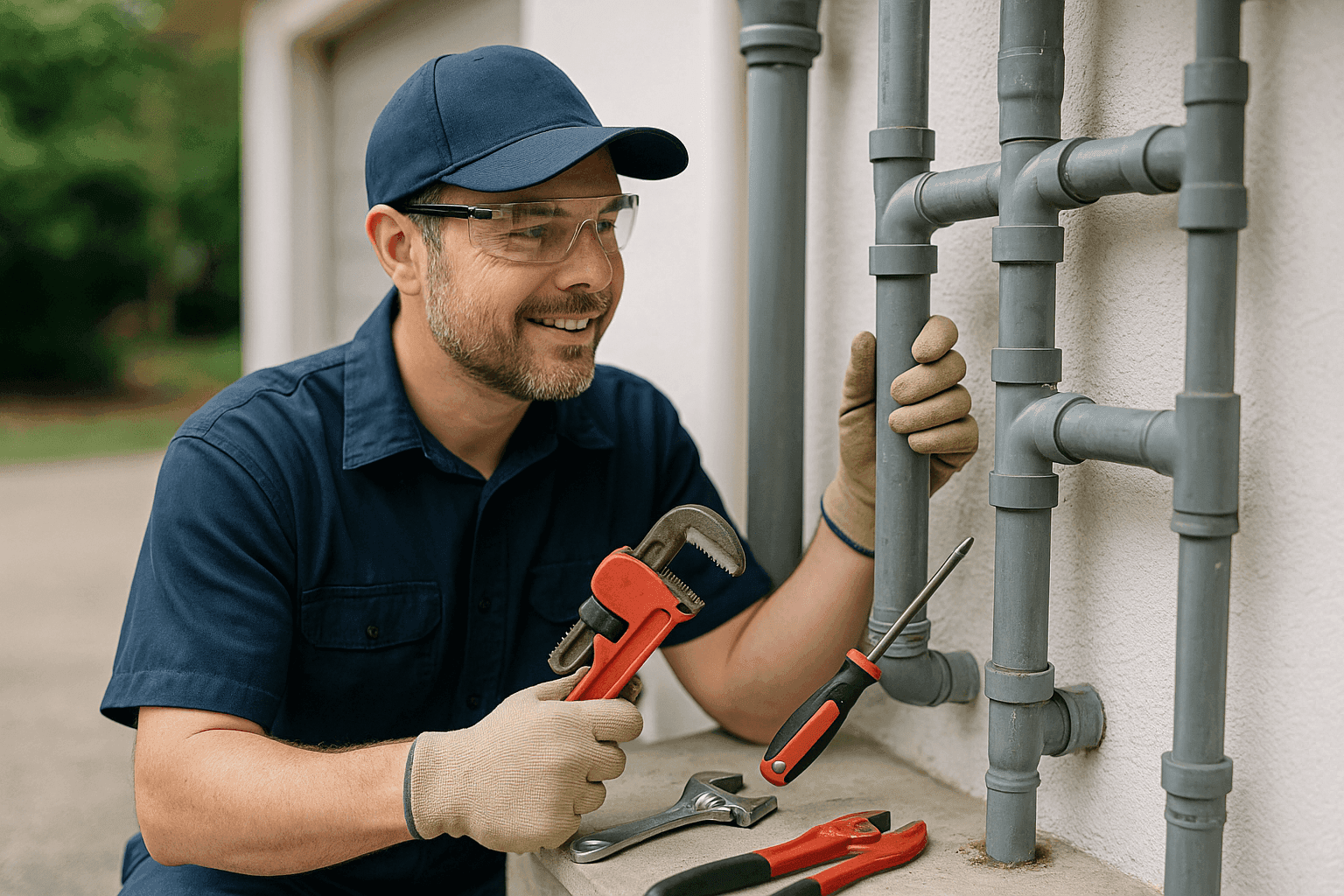
When water starts pooling where it shouldn’t, panic sets in fast. A burst pipe, a clogged drain, a leaking water heater—these problems never arrive at a convenient moment. For homeowners and small business owners, plumbing emergencies can feel like a tidal wave, threatening property, comfort, and peace of mind.
At 4 Way Plumbing, we know that the best way to handle a plumbing crisis is to stop it before it starts. Prevention isn’t just a buzzword—it’s your best defense against costly repairs and business interruptions. Let’s break down how you can keep your plumbing system running smoothly, spot trouble early, and know when it’s time to call in the pros.
Common Causes of Plumbing Emergencies 🚨
Plumbing emergencies rarely happen out of the blue. Most start as small, sneaky issues that grow over time. Here’s what to watch for:
Burst Pipes
Pipes can burst from age, freezing, or sudden pressure changes. Imagine a garden hose left outside in winter—when water freezes, it expands, splitting the hose. The same thing happens inside your walls if pipes aren’t protected.
Clogged Drains
Grease, hair, soap, and food scraps build up slowly, narrowing pipes until water has nowhere to go. One day, everything backs up at once, flooding sinks or floors.
Hidden Leaks
Slow drips behind walls or under floors might not seem urgent. But over time, they can rot wood, grow mold, and drive up your water bill.
Water Heater Failures
Sediment buildup or faulty valves can cause leaks or even tank ruptures. A failing water heater can leave you without hot water—or worse, with water everywhere.
Sewer Line Issues
Tree roots, shifting soil, or old pipes can block or break sewer lines. The result? Nasty backups and potential health hazards.
Tip: The Insurance Institute for Business & Home Safety (IBHS) reports that water damage from plumbing failures is one of the most common and costly claims for property owners.
Seasonal Maintenance Tips
Plumbing systems face different threats as the seasons change. A little preparation now can save a lot of trouble later.
Winterizing Pipes
- Insulate exposed pipes in basements, crawl spaces, and attics.
- Let faucets drip during extreme cold to prevent freezing.
- Disconnect outdoor hoses and shut off exterior valves.
- Seal gaps around pipes entering your home to keep out cold air.
Spring and Summer Checks
- Inspect for leaks around fixtures, under sinks, and near appliances.
- Clean gutters and downspouts to direct water away from your foundation.
- Check sump pumps to ensure they’re working before heavy rains.
- Flush your water heater to remove sediment buildup.
Fall Preparation
- Test backflow prevention devices before wet weather.
- Check for slow drains and clear them before holiday gatherings.
- Schedule professional inspections for gas lines and water heaters.
Tip: The American Red Cross and National Fire Protection Association (NFPA) both recommend seasonal plumbing checks as part of home maintenance routines.
How to Spot Early Warning Signs
Plumbing problems rarely shout—they whisper. Here’s how to listen:
Changes in Water Pressure
If your shower feels weaker or faucets sputter, it could mean a hidden leak or a clog in the line. Don’t ignore it.
Unusual Noises
Banging, gurgling, or whistling pipes aren’t normal. They might signal trapped air, water hammer, or a pending blockage.
Damp Spots or Stains
Wet spots on ceilings, walls, or floors often mean water is escaping somewhere it shouldn’t.
Musty Odors
Persistent damp, musty smells can be a sign of mold from a slow leak.
Slow Drains
If sinks or tubs take forever to empty, you may have a blockage forming deep in the pipes.
Spike in Water Bills
A sudden, unexplained increase in your water bill often means water is leaking somewhere out of sight.
DIY Preventative Measures vs. When to Call a Pro 🛠️
Some plumbing tasks are safe for anyone with a wrench and a little patience. Others need a trained hand. Knowing the difference can prevent bigger problems.
What You Can Do Yourself
- Clean drain stoppers and strainers regularly to stop buildup.
- Check under sinks for signs of leaks every month.
- Tighten loose fixtures like faucet handles or showerheads.
- Pour boiling water down drains to clear minor clogs (never use harsh chemicals).
- Test your sump pump by pouring in water to make sure it kicks on.
When to Call 4 Way Plumbing
- Persistent leaks that return after tightening or replacing washers.
- Water stains on ceilings or walls, which can mean a hidden pipe is leaking.
- Major drain clogs that don’t clear with plunging or a drain snake.
- Gas line smells or suspected leaks—always a job for professionals.
- Backflow issues or water coming up from drains.
- No hot water or leaking water heater.
Tip: According to the International Association of Certified Home Inspectors (InterNACHI), improper DIY repairs are a leading cause of recurring plumbing emergencies.
Emergency Preparedness Steps to Minimize Damage
Even with the best care, emergencies can happen. Here’s how to act fast and limit the fallout:
- Know where your main water shut-off valve is. Practice turning it off—don’t wait for an emergency to find out it’s stuck.
- Keep a basic plumbing kit: wrench, plunger, bucket, towels, and duct tape.
- Shut off water to appliances (like washing machines and water heaters) if you see leaks.
- Move valuables away from water-prone areas.
- Call 4 Way Plumbing immediately for emergency plumbing help.
- Document damage for insurance purposes—photos are your friend.
Tip: The Federal Emergency Management Agency (FEMA) recommends all property owners know how to shut off their water and gas in case of emergencies.
Routine Inspections and Professional Services
You wouldn’t drive your car for years without a checkup. Your plumbing deserves the same attention.
Why Schedule Regular Inspections?
- Catch small leaks before they become big headaches.
- Spot corrosion or worn-out pipes early.
- Test backflow devices to keep water safe and clean.
- Check water pressure to prevent stress on pipes.
- Inspect water heaters for signs of rust, leaks, or sediment.
Services That Make a Difference
- Leak Detection: Using advanced tools, professionals can find hidden leaks without tearing up walls.
- Drain Cleaning: Removes buildup before it turns into a clog.
- Backflow Testing: Ensures dirty water doesn’t flow back into your clean supply.
- Gas Safety Checks: Keeps your property safe from dangerous leaks.
- Water Filtration System Maintenance: Ensures your water stays clean and clear.
Tip: The Uniform Plumbing Code (UPC) and International Plumbing Code (IPC) set standards for safe plumbing installation and maintenance—ask your plumber about compliance.
Practical Safety Checklist
- [ ] Locate and test your main shut-off valve.
- [ ] Inspect visible pipes for drips or corrosion.
- [ ] Clean out drain traps and stoppers monthly.
- [ ] Check water heater for rust or leaks.
- [ ] Test sump pump before rainy seasons.
- [ ] Schedule annual professional inspection.
Costs and Time Factors
No one likes surprise bills. Here’s what to expect:
- Simple fixes (tightening fittings, clearing minor clogs) can often be done quickly and affordably.
- Hidden leaks or broken pipes may require more time for detection and repair, especially if walls or floors are involved.
- Emergency plumbing services typically cost more due to urgency and after-hours work.
- Preventative maintenance is usually less expensive than major repairs—and can extend the life of your plumbing system.
Tip: According to the Insurance Information Institute, water damage claims can cost thousands, but regular maintenance can reduce the risk and expense.
When It’s an Emergency
How do you know when to pick up the phone right now? Here are clear signs:
- Water is gushing or flooding into your home or business.
- Sewage is backing up through drains or toilets.
- You smell gas or suspect a gas leak.
- No water at all—could signal a major supply issue.
- A burst pipe is spraying or pooling water.
Don’t wait. Quick action can limit damage and protect your property.
Frequently Asked Questions
How often should I check my plumbing?
Inspect visible pipes, fixtures, and appliances monthly. Schedule a professional inspection at least once a year.
Can I use chemical drain cleaners for clogs?
It’s best to avoid harsh chemicals. They can damage pipes and harm the environment. Try plungers or a drain snake, or call a professional.
What are the signs of a hidden leak?
Look for unexplained water bills, damp spots, musty smells, or peeling paint. If in doubt, schedule a leak detection service.
Is backflow testing really necessary?
Yes! Backflow can contaminate your water supply. Many safety codes require annual testing for homes and businesses.
Special Considerations for Homeowners and Small Businesses
Every property is unique. Homes might face challenges like old pipes or tree roots, while small businesses may have complex plumbing for restrooms, kitchens, or equipment.
- For homeowners: Stay ahead of issues with regular checks, especially in older properties.
- For small businesses: Schedule routine maintenance to avoid costly downtime and meet health code requirements.
- For all: Keep emergency contacts handy and educate everyone in the building on basic shut-off procedures.
A little attention today can save you from a big headache tomorrow. If you spot warning signs, need routine maintenance, or face a plumbing emergency, don’t wait.
Call 4 Way Plumbing now — or reach us anytime at 855-508-5170 .