How to Prepare Your Plumbing for Winter Freezes
Winter sneaks up fast. One day the leaves are falling, the next you’re scraping ice off the windshield—and suddenly, your pipes are at risk. Every year, frozen pipes catch homeowners and small business owners off guard, leading to leaks, bursts, and expensive repairs.
At 4 Way Plumbing, we’ve seen firsthand how a little preparation can make all the difference. Here’s how you can keep your plumbing safe, your home comfortable, and your wallet intact, even when the temperature plummets.
Understanding the Risks of Winter Freezes on Plumbing ❄️
Cold weather is more than just a chill in the air. It’s a test for every inch of your plumbing. When water inside your pipes freezes, it expands—like a soda can left in the freezer. That pressure can crack pipes, break joints, and unleash a flood once things thaw.
Common freeze-related damages include:
- Burst pipes behind walls or under floors
- Cracked outdoor faucets and hose bibs
- Damaged water heaters and boilers
- Leaking joints and fittings
According to the International Association of Certified Home Inspectors, a pipe with even a tiny crack can release hundreds of gallons of water per day. That’s not just a mess—it’s a potential disaster for your property and peace of mind.
Essential Winter Plumbing Preparation Steps
Winter plumbing prep isn’t just for the experts. Many steps are simple, effective, and quick to do. Here’s your action plan:
1. Insulate Exposed Pipes
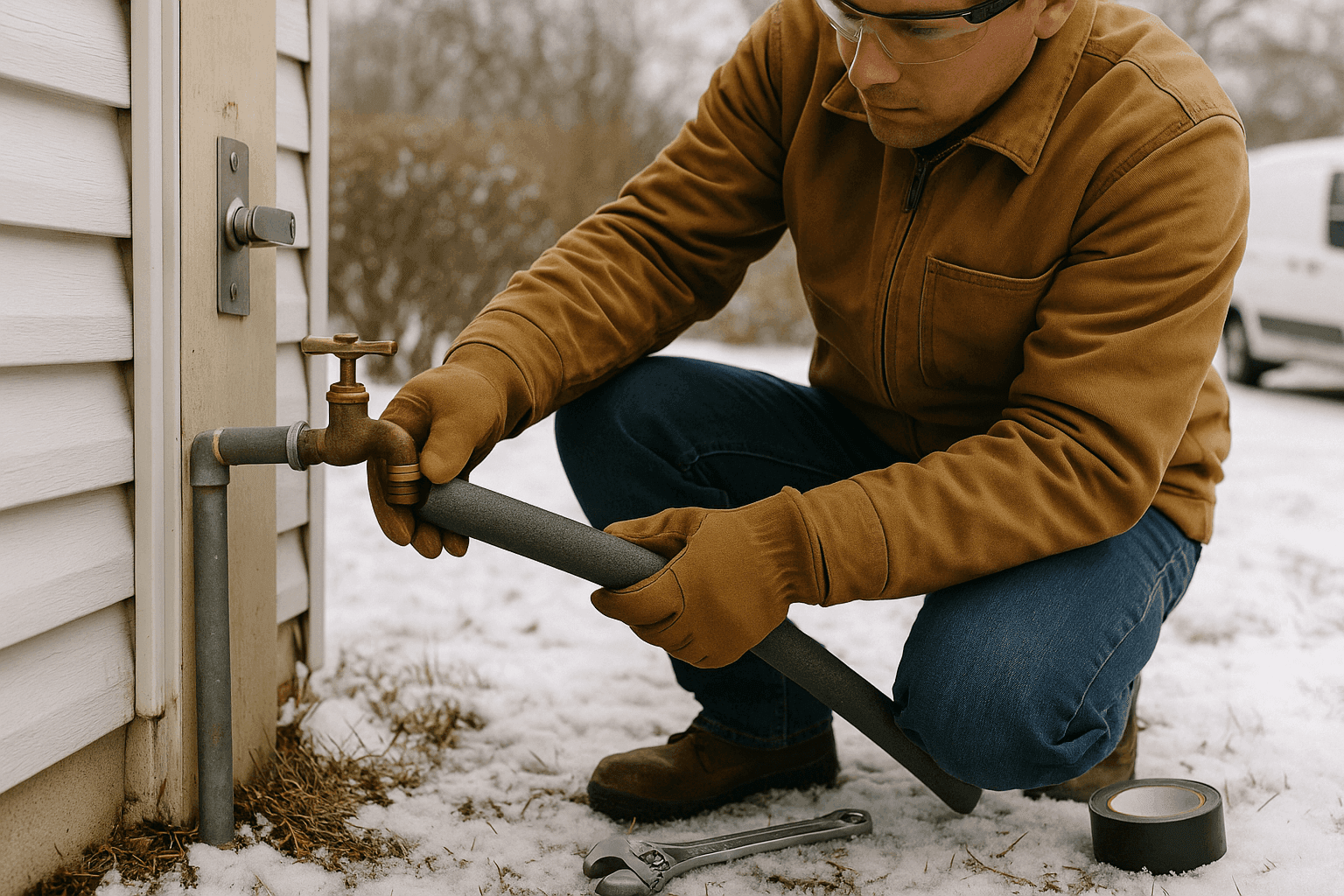
Pipes in unheated spaces—garages, attics, crawlspaces—are most at risk. Wrap them with foam pipe insulation sleeves, available at most hardware stores. For extra cold spots, use heat tape (following manufacturer instructions and safety guidelines from the National Fire Protection Association).
2. Drain and Disconnect Outdoor Faucets
Remove garden hoses and drain water from outdoor spigots. Shut off the supply valve inside, then open the outside faucet to let any remaining water escape. This small step prevents ice from forming and splitting the pipe.
3. Seal Air Leaks
Cold air sneaks in through gaps around windows, doors, and where pipes enter your home. Use caulk or expanding foam to seal these leaks. The U.S. Department of Energy recommends checking for drafts every autumn to keep warm air in and cold air out.
4. Maintain Your Water Heater
Your water heater works overtime in winter. Flush the tank to remove sediment, check the temperature setting (120°F is usually safe and efficient), and schedule a professional inspection if you notice any trouble signs—like strange noises or slow heating.
5. Keep Interior Temperatures Consistent
Never let your thermostat dip below 55°F, even if you’re away. Open cabinet doors under sinks to let warm air circulate around pipes, especially on bitterly cold nights.
6. Know Your Main Water Shutoff
If a pipe does burst, shutting off the main water supply quickly can prevent major water damage. Make sure everyone in your household knows where the shutoff valve is and how to use it.
DIY Tips vs. When to Call a Professional
It’s tempting to tackle every plumbing prep task yourself. Some are easy wins. Others? Not so much.
When DIY Makes Sense
- Wrapping pipes with insulation
- Draining hoses and outdoor faucets
- Sealing small gaps with caulk
These are straightforward, low-risk jobs—like putting on a winter coat before heading outside.
When to Call a Pro
- Installing heat cables or advanced insulation
- Dealing with stubborn leaks or persistent drips
- Flushing or servicing water heaters and boilers
- Addressing low water pressure or strange noises
If you’re unsure, remember: water has a way of finding trouble. Calling a licensed plumber can save you from bigger headaches down the line.
Emergency Plumbing Preparedness for Winter
Even with the best prep, things can go sideways. Pipes freeze. Water stops flowing. Sometimes, despite your efforts, you’re facing an emergency.
Here’s what to do if the worst happens:
- If a pipe freezes but hasn’t burst: Turn off the main water supply. Open the affected faucet to relieve pressure. Use a hair dryer or space heater (never an open flame) to gently warm the frozen section. Start near the faucet and work your way back.
- If a pipe bursts: Shut off the main water valve immediately. Move valuables away from the affected area. Call 4 Way Plumbing for emergency plumbing help—day or night.
- If you suspect a gas line or boiler issue: Leave the area and contact emergency services. Gas leaks are nothing to mess with.
Preparation is key, but knowing how to react in a crisis can prevent further damage and keep your family safe.
Preventative Maintenance: The Best Defense
Routine maintenance is like regular oil changes for your car: it keeps things running smoothly and prevents breakdowns. Here’s what to schedule before winter hits:
- Annual plumbing inspection by a licensed pro
- Water heater and boiler checkup
- Sewer line inspection for blockages or tree root intrusion
- Backflow testing to ensure water safety
According to the American Society of Home Inspectors, preventative maintenance can reduce plumbing emergencies by up to 60%. That’s peace of mind worth investing in.
Costs & Time Factors
Winter prep doesn’t have to break the bank—or eat up your weekend.
- Pipe insulation: Usually takes a few hours and costs less than a dinner out.
- Professional inspection: Plan for a few hours, depending on your home’s size and complexity.
- Emergency plumbing repairs: These can be more involved, especially if water damage occurs. Fast action can limit costs and downtime.
Remember, a little time spent now can save you from major repairs and lost business later.
When It’s an Emergency
How do you know it’s time to call for emergency plumbing?
- No water flow from faucets (could mean a frozen main line)
- Visible leaks, wet spots, or water stains
- Unusual sounds—like banging, hissing, or gurgling—from pipes or water heater
- Sewer smells or slow drains that get worse suddenly
Emergency plumbing isn’t just about fixing the problem—it’s about restoring your comfort and protecting your property, 24/7.
Frequently Asked Questions
What temperature do pipes start to freeze?
Pipes can begin freezing at 32°F, but problems typically start when temperatures drop below 20°F for several hours.
Can I use a space heater to thaw frozen pipes?
Yes, but keep it at a safe distance and never leave it unattended. Avoid open flames, which can cause fires or damage pipes.
Will dripping faucets prevent freezing?
Letting faucets drip can help relieve pressure and reduce the risk of freezing, especially on exterior walls.
How often should I check my plumbing in winter?
Inspect exposed pipes and outdoor faucets at least once a month during the coldest months, or after any severe cold snap.
Special Considerations for Winter Plumbing
- Older homes: May have less insulation and more vulnerable pipes. Extra attention is needed.
- Businesses closed for holidays: Keep heat on and have someone check the property regularly.
- Vacation properties: Winterize plumbing fully if left vacant for long stretches.
The best time to prepare is before the first frost. But if you’re reading this with snow on the ground—don’t panic. There’s still plenty you can do.
Call 4 Way Plumbing now — or reach us anytime at 855-508-5170 .