How to Winterize Your Plumbing System to Prevent Freezes and Bursts
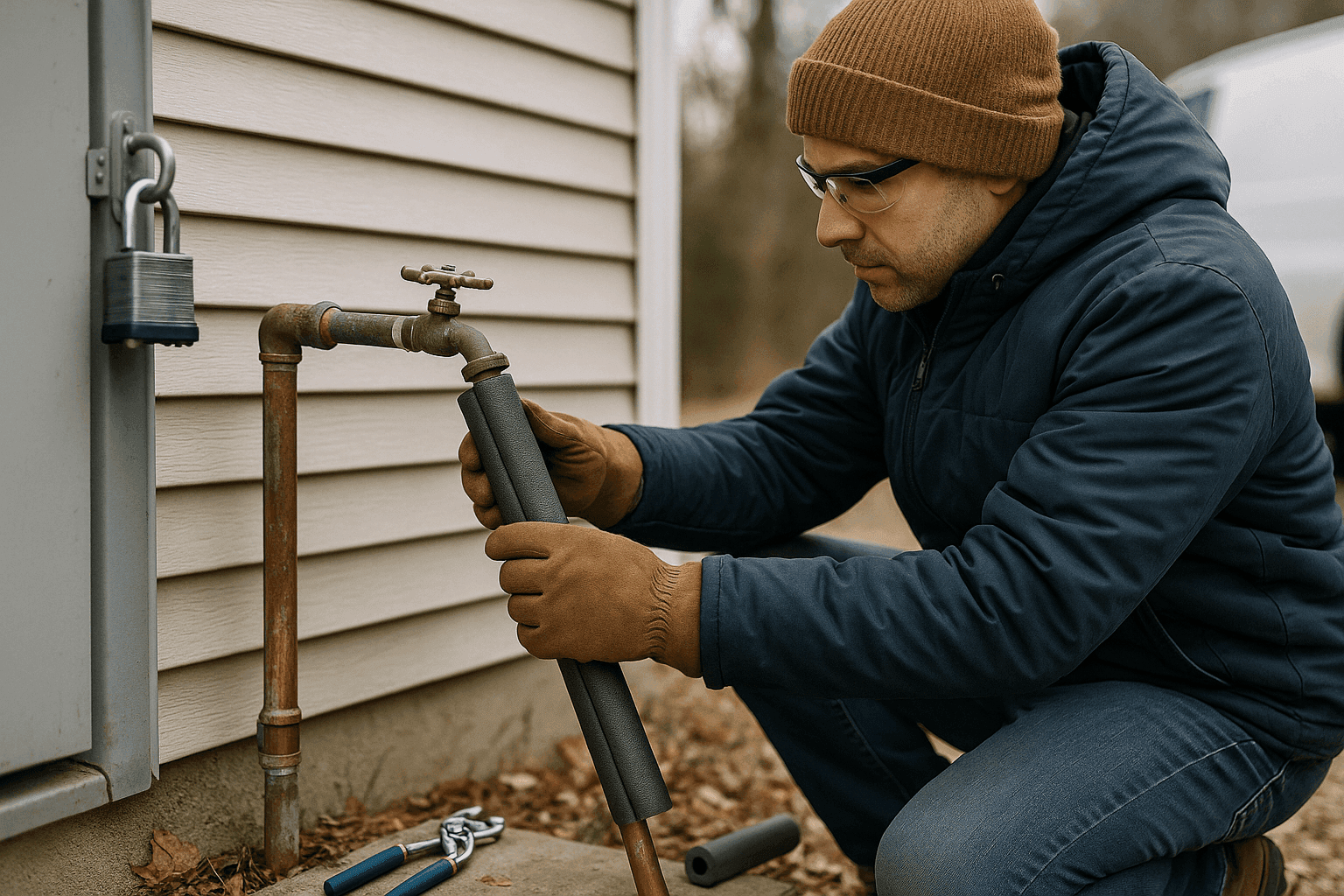
Winter can be tough on your plumbing. One cold snap, and suddenly you’re dealing with frozen pipes, leaks, or even a burst that soaks your floors. It’s stressful, expensive, and disruptive—especially when you least expect it.
At 4 Way Plumbing, we know how fast winter weather can turn a small drip into a big emergency. Let’s walk through how to winterize your plumbing system and keep your home or business safe, dry, and worry-free.
Why Winterizing Your Plumbing Matters
Picture your pipes as the veins of your building. When temperatures drop, water inside those pipes can freeze, expand, and crack the pipe walls—just like a can of soda left in the freezer. The result? Water everywhere, costly repairs, and sometimes, lasting damage to floors, walls, and belongings.
Frozen pipes and bursts are among the most common reasons for emergency plumbing calls in winter. According to the International Plumbing Code (IPC) and the American Red Cross, taking steps to prevent freezing is essential for every property owner.
Identifying Vulnerable Plumbing Areas 🧊
Not all pipes face equal risk. Some are more exposed to the cold and, therefore, more likely to freeze.
Key areas to check:
- Pipes running along exterior walls
- Unheated areas: basements, attics, garages, crawl spaces
- Outdoor faucets and hose bibs
- Pipes under sinks, especially on outside-facing walls
- Water supply lines to refrigerators, dishwashers, and washing machines
Walk through your property. Look for pipes you can see and feel. If you wouldn’t want to stand there in winter without a coat, neither do your pipes.
Step-by-Step Winterization Techniques
Winterizing your plumbing system isn’t just for the pros. Many steps are simple and can be done in a weekend with basic tools.
1. Insulate Exposed Pipes
- Use foam pipe insulation sleeves or wrap pipes with fiberglass or polyethylene insulation.
- Pay special attention to pipes in unheated spaces.
- For extra cold spots, add heat tape (UL-listed only) following the manufacturer’s instructions.
2. Drain Outdoor Lines and Faucets
- Shut off the water supply to outdoor faucets.
- Open exterior faucets to let any remaining water drain out.
- Disconnect and store garden hoses.
- If you have an irrigation system, use compressed air to blow out the lines or have a professional handle it.
3. Seal Leaks and Drafts
- Check for gaps around pipes where they enter walls or floors.
- Use caulk or expanding foam to seal holes and cracks.
- Weatherstrip doors and windows near plumbing lines.
4. Keep Indoor Areas Warm
- Keep your thermostat set to at least 55°F, even if you’re away.
- Open cabinet doors under sinks to let warm air circulate around pipes.
- Close garage doors to protect plumbing running through or near the garage.
5. Let Faucets Drip (When Needed)
- On especially cold nights, let a trickle of cold water run from faucets connected to vulnerable pipes.
- Moving water is less likely to freeze.
Maintaining Water Heaters and Sump Pumps
Your water heater and sump pump are the unsung heroes during winter. They need care, too.
Water Heater Tips
- Set the temperature to 120°F for efficiency and safety.
- Flush the tank to remove sediment buildup, which can reduce efficiency.
- Check for leaks or signs of rust.
- Insulate the heater and exposed hot water pipes with approved materials.
Sump Pump Tips
- Test the pump by pouring water into the pit. Make sure it turns on and drains properly.
- Clear debris from the pit and discharge line.
- In freezing climates, ensure the discharge line is free of obstructions and slopes away from the foundation.
Quick Safety Checklist
- [ ] Insulate all exposed pipes.
- [ ] Drain and shut off outdoor faucets.
- [ ] Seal gaps and cracks near plumbing.
- [ ] Set thermostat to 55°F or higher.
- [ ] Test water heater and sump pump.
- [ ] Know where your main water shutoff valve is located.
- [ ] Keep emergency plumbing contacts handy.
Emergency Preparedness: If a Pipe Freezes or Bursts 🚨
Even with all the right steps, the unexpected can happen. Being prepared can mean the difference between a quick fix and a major disaster.
What to Do if a Pipe Freezes
- Turn on the faucet—if only a trickle comes out, suspect a frozen pipe.
- Apply gentle heat to the pipe using a hair dryer, heating pad, or towels soaked in hot water. Never use an open flame.
- Start heating the pipe closest to the faucet and work toward the coldest section.
- Keep the faucet open to allow melting ice to escape.
What to Do if a Pipe Bursts
- Shut off the main water valve immediately.
- Turn off electricity in affected areas if water is leaking near outlets or appliances.
- Call for emergency plumbing help right away.
- Mop up standing water quickly to minimize damage.
Tips for Homeowners and Small Business Owners
- Schedule a plumbing inspection before winter hits. Licensed plumbers can spot risks you might miss.
- Keep a list of emergency plumbing contacts handy.
- Store plumber’s tape, a wrench, and towels in an easy-to-reach spot.
Professional Inspections and When to Call for Help
Some situations call for more than a DIY fix. If you notice persistent leaks, weak water pressure, or can’t access certain pipes, it’s time to call a licensed plumber. The Uniform Plumbing Code (UPC) recommends annual inspections for all plumbing systems—especially in older buildings or those with prior freeze issues.
Costs and Time Factors
Winterizing your plumbing is usually affordable—think insulation sleeves, weatherstripping, and a few hours’ work. Professional inspections or repairs cost more, but they’re far less expensive than emergency plumbing calls for burst pipes or water damage restoration.
- DIY supplies: Minimal cost, depending on property size.
- Professional inspection: Varies by property and scope.
- Emergency repairs: Costs can climb quickly after a burst or major leak.
Investing a little time and money now can save you thousands later.
Frequently Asked Questions
How do I know if my pipes are at risk of freezing?
Pipes in unheated areas or those running along exterior walls are most at risk. If you’ve had issues in the past, or if you notice cold drafts near plumbing, take extra precautions.
Can I use a space heater to warm pipes?
You can, but use caution. Never leave space heaters unattended, and keep them away from flammable materials. Insulation is usually safer and more effective.
How often should I check my plumbing in winter?
Check vulnerable areas at the start of the season, after any major cold snap, and if you notice changes in water pressure or flow.
What should I do if I’m away during winter?
Keep heat on at 55°F or higher, shut off the main water supply, and drain the system if possible. Ask a neighbor or friend to check in periodically.
Special Considerations for Businesses and Larger Properties
- Commercial buildings often have complex plumbing systems with longer runs and more exposure. Schedule regular maintenance and inspections.
- Install temperature monitors in mechanical rooms and unheated spaces.
- Train staff on emergency shutoff procedures and keep instructions posted.
Your Winter Plumbing Plan Starts Here
Winter doesn’t have to mean plumbing headaches. With a little preparation and a watchful eye, you can keep your pipes—and your peace of mind—intact all season long.
Call 4 Way Plumbing now — or reach us anytime at 855-508-5170 .