Everything Homeowners Need to Know About Sewer Line Repair
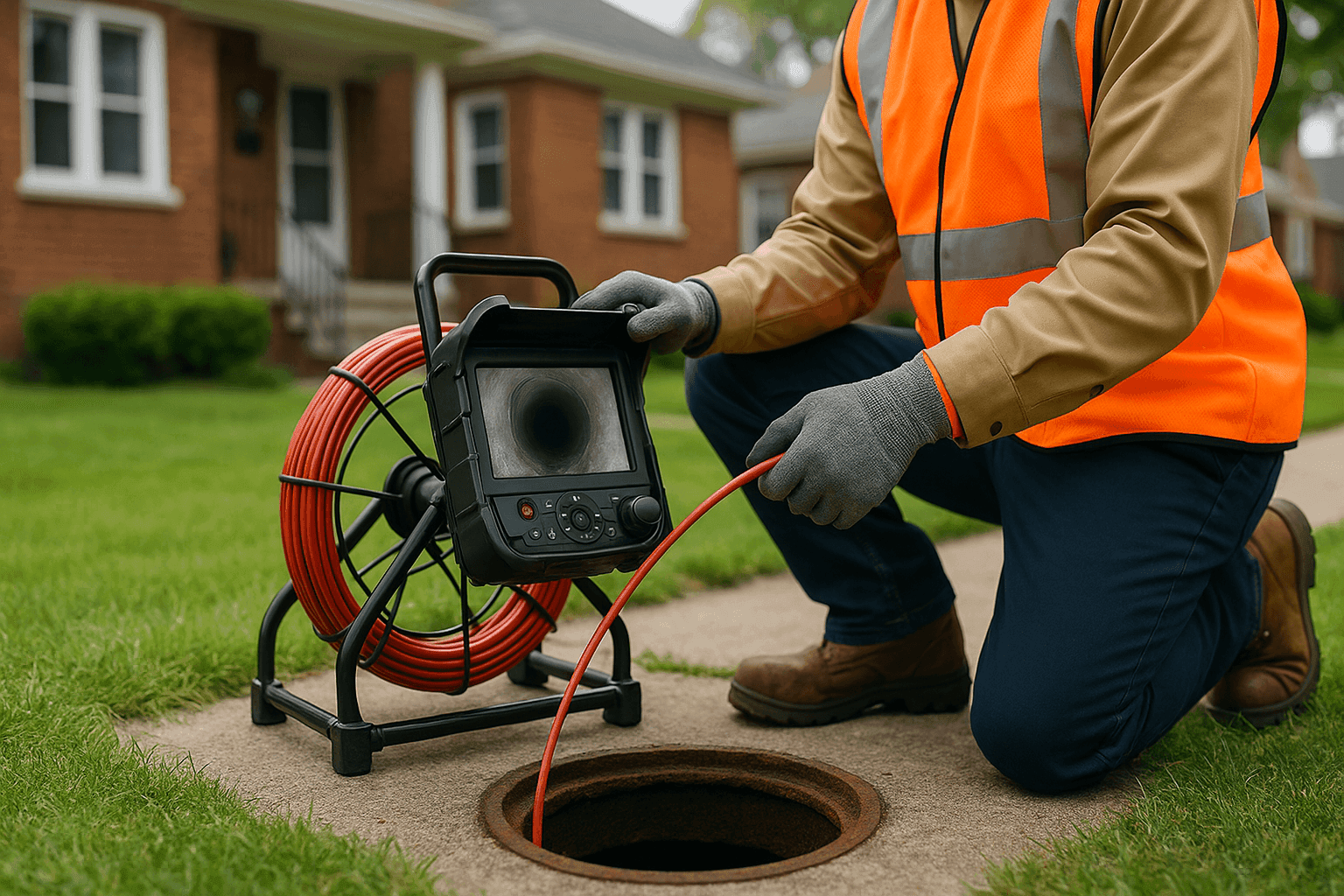
Ever flushed a toilet and watched water creep up instead of swirling away? Or walked outside to find an odd soggy patch in the yard when it hasn't rained for days? Sewer line trouble has a way of sneaking up—fast.
At 4 Way Plumbing, we know that for homeowners, few things are as stressful as plumbing emergencies. Pipes don’t wait for a convenient time to fail. When it comes to sewer line repair, time, accuracy, and the right approach mean everything.
Signs You Need Sewer Repair 🚨
Sometimes it's obvious. Other times, not so much. Here are the warning lights on your home’s sewer dashboard:
- Slow Drains: If every sink and tub empties at a snail’s pace, it’s more than a clog. It could be a deeper issue.
- Backups: Water bubbling up in the bathtub when you flush? Or toilets that gurgle and spit? That’s your plumbing’s SOS.
- Yard Sogginess: Unexplained damp patches, lush green grass in one spot, or even a faint odor outdoors. Your underground pipes might be leaking.
- Frequent Toilet Clogs: If plungers are working overtime, the problem may not be with the toilet itself.
Don’t ignore these. Small hints can quickly turn into major headaches—and costly repairs.
Causes of Sewer Line Damage
Why do sewer lines fail in the first place? Think of your pipes as tree roots in a sidewalk—eventually, something’s going to give.
- Tree Roots: Roots are relentless. In many neighborhoods, especially older ones, tree roots squeeze into the tiniest pipe cracks, causing blockages or even crushing the pipe. This is especially common in mature, tree-lined areas.
- Freezing & Thawing: In colder climates, pipes can freeze, expand, and crack. When the ground shifts from freeze-thaw cycles, pipes take the brunt.
- Aging Pipes: Many homes have pipes that are decades old. Over time, materials corrode, crack, or collapse.
- Grease & Non-Flushables: Pouring grease down the drain or flushing wipes can create stubborn blockages.
- Soil Shifts & Construction: Heavy vehicles, new landscaping, or just natural settling can stress pipes.
Repair Methods Compared
Sewer line repair isn’t one-size-fits-all. Here’s how the main options stack up:
Traditional Excavation
Picture a trench running the length of your yard. This method involves digging up the line, removing the damaged section, and replacing it. It’s effective for severely damaged pipes or when the problem area is hard to reach.
- Pros: Direct access to the pipe, long-lasting fix.
- Cons: Messy, disrupts landscaping, longer downtime.
Trenchless Repair
Think of this as keyhole surgery for your plumbing. Using specialized equipment, a new pipe liner is pulled through the old one, sealing cracks and reinforcing the line—often with minimal digging.
- Pros: Less mess, faster completion, preserves landscaping.
- Cons: Not suitable for every situation, requires advanced tools.
Spot Repairs
Sometimes only a small section needs attention. Plumbers can fix just the broken part without replacing the whole line.
- Pros: Cost-effective for localized damage.
- Cons: Not always possible if the pipe is too old or brittle.
What to Expect During Repairs 🛠️
Wondering what happens once you call in the pros? Here’s the play-by-play:
- Diagnosis: Using video camera inspections, plumbers pinpoint exactly where and how bad the damage is. Like a colonoscopy for your pipes.
- Permitting: Most cities require permits for sewer work. Your plumber should handle this. Inspections during and after the job make sure everything’s up to local code. (See your city’s building department for specifics.)
- Repair: Depending on the method, you’ll see anything from a few small holes to a whole trench. Expect some noise and temporary water shut-offs.
- Testing: Once fixed, the line gets tested—often with water or air pressure—to check for leaks.
- Cleanup: A reputable team restores your property as much as possible, but be realistic: some landscaping may need time to recover.
Before & After: Real-World Case
Before: A homeowner in a leafy neighborhood called us when their basement kept flooding after every rainfall. Video inspection showed roots had invaded the sewer line, causing blockages and a partial collapse.
After: We used trenchless relining. The repair took one day, required only two small access holes, and the yard was back to normal by the weekend. No more floods, and the trees stayed untouched.
Cost Factors & City Permits
Every job is different, but several factors affect the price:
- Extent of Damage: Minor cracks cost less than total collapses.
- Repair Method: Trenchless repairs often cost more up front than excavation, but save on landscaping restoration.
- Depth & Length: Deeper or longer pipes need more time and manpower.
- Permits: City fees vary. Always ask if these are included in your quote.
- Accessibility: Pipes under driveways or large trees take longer to reach.
Always make sure your plumber is insured and that the work is permitted and inspected per local code. Check the International Plumbing Code (IPC) or your city’s regulations for details.
Certified Repair Process & Insurance Tips
Not all plumbers are created equal. Check for:
- Certification: Ask if your plumber is licensed for sewer work in your state.
- Insurance: Ensure both liability and workers’ comp coverage are current.
- Code Compliance: All repairs should meet local code to avoid future headaches during home sales.
- Documentation: Keep all receipts and inspection reports. These help with insurance claims or resale.
Often, homeowner’s insurance might cover sewer line repairs if the damage comes from sudden, unexpected events (like a tree root breaking a new pipe). Wear and tear, on the other hand, is rarely covered. Always check your policy and ask your agent about “sewer and drain” riders.
Preventing Sewer Problems 🌳
An ounce of prevention is worth a pound of plumbing bills.
- Don’t Plant Trees Near Sewer Lines: If you’re landscaping, know where your pipes run.
- Annual Camera Inspections: Like a health check for your plumbing.
- Avoid Flushing Wipes & Grease: Even “flushable” wipes can jam up the system.
- Install Backflow Preventers: Stops sewage from coming back into your home during heavy rain.
- Insulate Pipes: Especially in areas prone to freezing.
Local & Seasonal Considerations
In our region, two things keep plumbers busy: tree roots and freeze-thaw cycles. Mature neighborhoods with big maples and oaks see more root invasions. Winter brings its own headaches—frozen ground can crack pipes, and rapid thaws saturate soil, putting extra stress on aging lines.
If you notice issues right after a spring thaw or after heavy rain, it’s not a coincidence. Pipes are under extra pressure during these times.
Frequently Asked Questions
How long do sewer line repairs take?
Simple repairs may finish in a day. Major replacements can take up to a week, especially if digging is involved.
Will my yard recover after excavation?
Most plumbers restore grass and soil, but mature landscaping takes longer to bounce back. Ask about trenchless options to minimize impact.
Do I have to move out during repairs?
Usually not. Water will be off for a few hours, but most families can stay at home.
What if the problem comes back?
If the job was permitted and inspected, call your plumber. Keep all paperwork—city inspectors can verify the repair was done right.
Sewer problems can’t wait. If you notice slow drains, yard sogginess, or backups, don’t gamble with DIY. Let certified professionals handle your emergency plumbing needs, from Boiler Repair near you to full sewer line replacements.
Call 4 Way Plumbing now — or reach us anytime at 855-508-5170 .