Drain Cleaning Myths Busted: What Really Works
Ever stood ankle-deep in a shower that won’t drain, or stared down a kitchen sink filled with murky water? You’re not alone. Most homeowners have faced a stubborn clog—and the internet is overflowing with quick fixes. But which actually work? And which can make things worse?
At 4 Way Plumbing, we’ve seen every trick, every hack, every emergency plumbing scenario. We know what’s safe for your pipes, your home, and your family. Let’s set the record straight—so you can skip the myths and get your drains flowing again.
Top Drain Cleaning Myths 🚫
It’s easy to believe the stories. Some sound harmless—the kind of tips your neighbor swears by. Others can do real damage. Here’s what’s true, what’s risky, and what’s just plain myth.
Myth 1: Boiling Water Fixes All Clogs
A kettle of boiling water seems like a harmless, eco-friendly solution. And sometimes, it helps. If your pipes are clear plastic (PVC), though, repeated boiling water can soften or even warp them. In older homes with metal pipes, boiling water may help clear grease, but it won’t touch a hairball or a solid object. Think of it like trying to melt a snowbank with a hairdryer—not useless, but not a miracle worker.
Risks:
- May damage PVC or old, brittle pipes
- Only effective for grease buildup—not for hair, soap, or foreign objects
Myth 2: Baking Soda and Vinegar Are a Magic Fix
This combo fizzes. It’s satisfying. But it’s not as powerful as you think. The chemical reaction produces bubbles, but not enough force to push through a real clog. It’s more like shaking up a soda can and hoping the fizz cleans your shoes.
Risks:
- Can loosen minor debris, but not major blockages
- May mix with existing waste and cause sludge buildup
Myth 3: Chemical Drain Cleaners Are Safe
Those bottles on store shelves promise a quick fix. But commercial drain cleaners use harsh chemicals—like sodium hydroxide or sulfuric acid. The fumes are unsafe to breathe. The liquid can burn skin or eyes. And inside your pipe, it can eat away at the material, causing leaks or burst pipes. The EPA warns that improper use can also contaminate your water supply and local environment.
Risks:
- Corrodes pipes (especially if you have older or galvanized lines)
- Dangerous to pets, kids, and septic systems
- Can make a clog worse by hardening debris
Myth 4: A Plunger Fixes Everything
Plungers are great for toilets and sinks, but not every clog is reachable. If the blockage is way down the line—or caused by tree roots—no amount of plunging will help. Sometimes you’re just pushing the mess further.
Risks:
- Can cause splashback of dirty water
- Doesn’t work for deep or solid obstructions
Safe DIY Methods (That Won’t Ruin Your Pipes)
Some clogs are easy to handle if you use the right approach. Before you grab the chemicals or boil another kettle, try these safer steps.
- Remove the Trap: Place a bucket under your sink’s U-shaped pipe (“trap”), then unscrew it gently. Clear out debris you can see and rinse the trap before replacing.
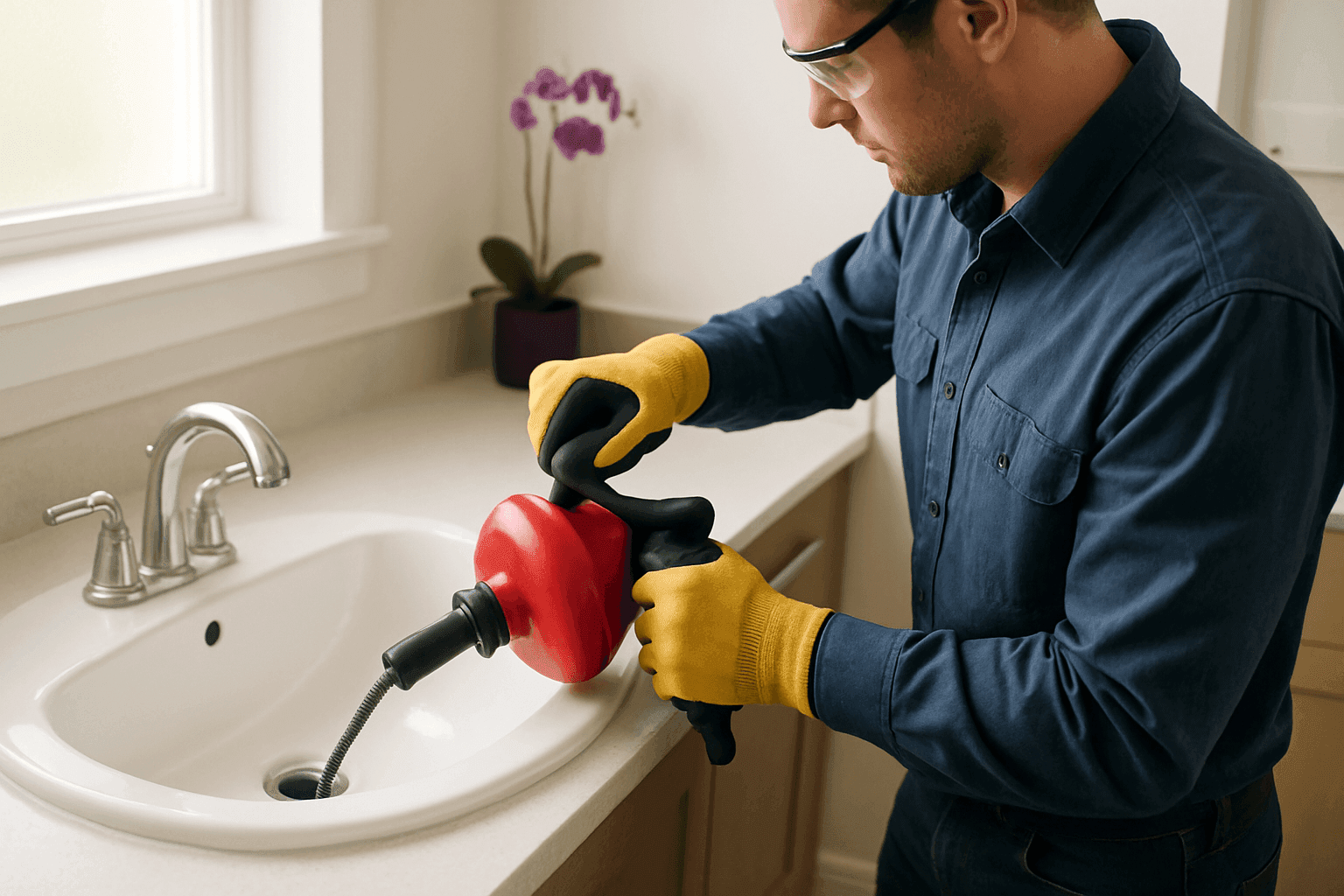
- Use a Drain Snake: A small, hand-cranked auger (available at most hardware stores) can pull out hair and gunk just beyond the drain. Think of it as fishing for the problem, not blasting it.
- Plunge Carefully: For sinks, use a cup plunger (not a toilet plunger). Cover overflow holes with a wet rag. Plunge in short bursts—don’t force it.
- Flush With Hot (Not Boiling) Water: After clearing visible debris, flush with hot tap water to move along any loose residue.
- Try Enzyme Cleaners: Some enzyme-based products (look for EPA Safer Choice labels) break down organic matter without damaging pipes or harming local water.
Important: If you smell gas, see water coming through your ceiling, or the clog won’t budge—stop. Call for emergency plumbing help.
When to Call a Pro
Some problems are just too big—or too risky—for home fixes. Here’s when you need a plumber on site, fast:
- Multiple Drains Are Backed Up: This could be a clogged main sewer line. Tree roots are a common culprit, especially in older neighborhoods or regions with mature landscaping.
- Water Backing Into Other Fixtures: Water rising in your tub when you flush the toilet? That’s a red flag for a deeper blockage.
- Strange Smells or Gurgling: Persistent odors or bubbling sounds point to trapped air or leaks.
- Slow Drains Despite DIY Fixes: If you’ve tried safe methods and nothing changes, the clog may be further down than you think.
- Recurring Clogs: This often signals a bigger issue—like deteriorating pipes, hard water mineral buildup, or misaligned sewer lines.
- Standing Water: If water won’t clear at all, immediate attention prevents water damage and mold.
As one of our licensed plumbers puts it:
“If it’s not moving after basic steps, you’re risking more damage. Some blockages are like icebergs—you only see the tip.”
Pro Tools and Real-World Solutions
When our team arrives, we don’t just bring elbow grease. We use specialized tools and follow safety standards backed by the EPA and local plumbing codes.
- Motorized Drain Augers (Snakes): These can reach clogs far down the line—up to 100 feet. They break up roots, grease, and even small objects.
- Video Inspection Cameras: We see exactly where the clog is and what’s causing it, so there’s no guesswork—or unnecessary digging.
- Hydro Jetting: High-pressure water blasts clear out stubborn gunk, tree roots, and mineral buildup. It’s thorough and safe for most modern pipes.
- Pipe Repairs and Repiping: If we find a broken or collapsed line, we can repair or replace sections using code-approved methods.
- Safe Chemical Treatments: Only when necessary, and always by the book—never the store-bought stuff.
Before-and-After:
A recent case—one family in a hard water area had constant slow drains. DIY fixes helped for a day, then the problem returned. Our inspection revealed a mass of hard mineral scale and a tangle of roots. With a hydro jet and a bit of pipe repair, their drains ran faster than ever, and water bills dropped.
Preventing Future Clogs 🛡️
Most clogs are preventable with a few simple habits. Here’s what we recommend:
- Don’t pour grease, coffee grounds, or food scraps down the sink—even with a garbage disposal.
- Use hair catchers in showers and bathroom sinks.
- Run hot water after each use to flush out small debris.
- Schedule regular professional drain cleaning, especially if you live in an area with hard water or lots of trees.
- If you have a sump pump or basement bathroom, test them after heavy rain.
- Avoid “flushable” wipes—they’re not really flushable.
Code Tip: If you’re in a region with strict backflow prevention codes, regular testing keeps your home (and water supply) safe.
Costs & Time Factors
How long will it take? What will it set you back? Here’s what to expect:
- DIY Fixes: Most take 30–60 minutes and only the cost of simple tools (like a drain snake or plunger).
- Professional Drain Cleaning: Ranges from a quick cable snake (about an hour) to several hours for hydro jetting or sewer camera inspection.
- Pipe Repairs or Root Removal: Can take several hours, especially if excavation is needed.
- Emergency Plumbing: We respond 24/7, because a flood or backup can’t wait.
Remember, waiting often makes the problem bigger—and more expensive to fix.
When It’s an Emergency
Not all clogs are urgent. But these situations mean you need help, fast:
- Water is flooding your home (basements, bathrooms, kitchens).
- You smell sewage or gas.
- Toilets overflow and won’t stop.
- You can’t use any water fixtures at all.
In these cases, turn off your main water valve if you can—then call for emergency plumbing services.
FAQ
Q: Are store-bought drain cleaners really dangerous?
A: Yes, according to EPA guidelines and plumbing safety codes, most contain chemicals that can corrode pipes, release toxic fumes, and harm the environment.
Q: Will regular maintenance really stop clogs?
A: Most of the time, yes. Removing debris before it builds up saves you from bigger headaches later.
Q: How do I know if tree roots are my problem?
A: If you have large trees near your sewer line and notice slow drains throughout the house, roots could be invading your pipes. A video camera inspection is the surest way to know.
Q: What if I have hard water?
A: Hard water leaves mineral deposits that can narrow pipes over time. If you live in an area with high mineral content, consider a water filtration or softening system.
Local and Seasonal Considerations 🌳
Clog risks change with the seasons and your location.
- Hard Water Areas: Regions with high mineral content (like much of the Midwest or Southwest) see more scale buildup. Pipes can narrow over time, making clogs more likely.
- Tree Root Issues: Older neighborhoods, especially those with mature trees and clay sewer lines, are prone to root intrusion. Spring and fall (when roots are most active) bring more blockages.
- Heavy Rains: Sudden downpours can overwhelm sump pumps and sewer systems, backing up drains and flooding basements.
- Cold Climates: Freezing temps can cause pipes to crack—leading to leaks and sudden backups.
Wherever you live, 4 Way Plumbing is ready to help—day or night.
Got a stubborn clog—or just want the peace of mind that comes from a clean, healthy plumbing system?
Call 4 Way Plumbing now — or reach us anytime at 855-508-5170 .