How to Detect and Fix Hidden Plumbing Leaks Before They Cause Damage
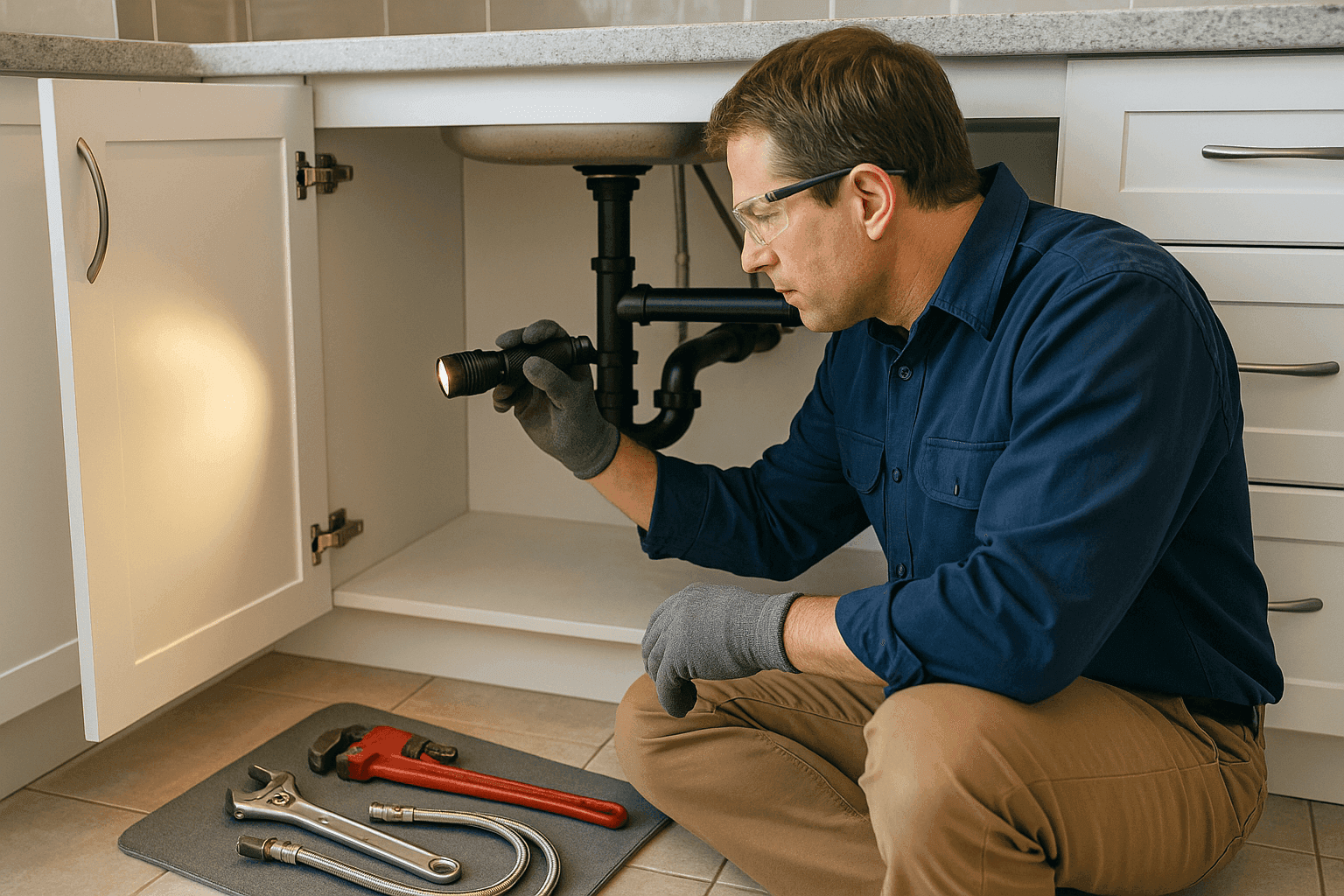
Plumbing leaks have a sneaky way of hiding out of sight. They creep behind walls, under floors, or in the crawlspace—quietly causing damage until it’s too late. One day your water bill jumps, or you spot a musty stain on the ceiling, and suddenly you’re in a race against time.
At 4 Way Plumbing, we know how fast a small leak can grow into a big, expensive headache. Early detection is like spotting a tiny crack in a dam before the water bursts through. Here’s how you can catch leaks early, fix them when safe, and know when to call in the pros.
Why Hidden Plumbing Leaks Are a Big Deal
A dripping faucet is obvious. But what about a pinhole leak in a pipe behind your wall? Left unchecked, hidden leaks can:
- Rot wood framing and drywall
- Cause mold and mildew growth (a health hazard)
- Damage flooring and belongings
- Drive up water bills
- Undermine your home or business’s foundation
The longer a leak goes unnoticed, the more it can cost—sometimes thousands in repairs and lost property value. Mold can start growing in just 24–48 hours according to the Environmental Protection Agency (EPA). That’s why being proactive is so important.
Quick Safety Checklist 🛑
Before you start poking around for leaks, take a moment to stay safe:
- Turn off electricity if you see water near outlets or appliances.
- Wear gloves and sturdy shoes if you’re checking under sinks or crawlspaces.
- Never touch wet wires or outlets—call an electrician.
- If you smell gas, leave the building immediately and call emergency services.
- If sewage is involved, avoid contact and call a licensed plumber.
Safety first. Water and electricity don’t mix, and gas leaks are always an emergency.
Signs You Might Have a Hidden Leak
Leaks don’t always announce themselves with puddles. Watch for these red flags:
- Unexplained spike in water bills: If your usage hasn’t changed, something’s up.
- Damp spots on walls, ceilings, or floors: Especially if they’re warm, cold, or discolored.
- Musty or earthy odors: Mold loves hidden moisture.
- Peeling paint or wallpaper: Water can loosen adhesives.
- Sounds of running water: When all fixtures are off, listen closely.
- Low water pressure: Can signal a leak or blockage.
- Visible mold or mildew patches: Especially in corners or behind furniture.
DIY Leak Detection: What You Can Check
You don’t need fancy equipment to spot many leaks. Here’s how to play detective:
1. Check Your Water Meter
- Turn off all faucets, appliances, and sprinklers.
- Find your water meter (usually outside or in the basement).
- Note the reading. Wait 1–2 hours (don’t use water).
- If the reading changes, you probably have a leak.
2. Inspect Visible Pipes and Fixtures
- Look under sinks, around toilets, and behind appliances.
- Feel for moisture, corrosion, or mineral buildup.
- Run your hand along pipes—dampness means trouble.
3. Listen for Clues
- At night, when the house is quiet, listen for hissing or dripping.
- Pay attention to walls near bathrooms and kitchens.
4. Test Toilets for Silent Leaks
- Put a few drops of food coloring in the tank.
- Wait 30 minutes (don’t flush).
- If color appears in the bowl, the flapper may be leaking.
5. Check Outdoor Areas
- Walk around your property for muddy patches or unusually green grass (could signal a buried leak).
Temporary Fixes You Can Do
Caught a small leak? Here are some quick, temporary fixes:
- Tighten loose fittings with a wrench (don’t overtighten).
- Wrap pipe tape (Teflon tape) around threaded joints.
- Use plumber’s epoxy for pinhole leaks (follow package instructions).
- Place a bucket under drips to prevent water damage until repairs are made.
- Shut off the water supply to the affected area if possible.
These are band-aids, not cures. For anything beyond a slow drip or tiny crack, call a licensed plumber.
When to Call a Professional Plumber
Some leaks are not DIY territory. Call a pro if:
- The leak is behind walls, under floors, or in the ceiling.
- Water is coming from multiple places.
- There’s mold, musty odors, or visible damage.
- You have water near electrical outlets or panels.
- You suspect a sewer or gas line issue.
Licensed plumbers have tools like thermal imaging cameras, acoustic sensors, and moisture meters. They’ll find the leak without tearing up your home.
What Pros Do On Arrival
When you call 4 Way Plumbing for emergency plumbing, here’s what happens:
- Assessment: We ask questions about what you’ve seen, heard, or smelled.
- Inspection: Using specialized tools, we trace the leak’s source—sometimes behind walls or underground.
- Containment: We shut off water and minimize further damage.
- Repair: We use code-approved materials and methods to fix the leak safely.
- Testing: We make sure the repair holds and check for other potential issues.
We follow plumbing codes and safety standards, such as those set by the International Association of Plumbing and Mechanical Officials (IAPMO).
Prevention & Maintenance: Your Best Defense 🛠️
An ounce of prevention is worth a pound of drywall. Regular maintenance can help you avoid hidden leaks:
- Inspect pipes and fixtures every few months for signs of wear.
- Install water leak detectors—these sound an alarm if they sense moisture.
- Schedule annual plumbing checkups with a licensed plumber.
- Replace old hoses on washing machines and dishwashers every 5 years.
- Insulate pipes to prevent freezing and cracking.
- Know your main shut-off valve location in case of emergency.
Routine leak detection isn’t just about saving water—it’s about protecting your investment.
Costs & Time Factors
How much will a leak cost you? It depends:
- Detection: DIY checks are free, but pro inspections (with advanced tools) can range from modest to more significant costs.
- Repair: Simple fixes (like tightening a fitting) are quick and low-cost. Hidden or major leaks (inside walls, under slabs) take longer and cost more.
- Water damage restoration: If a leak has gone undetected, repairs to drywall, flooring, or mold remediation can add up fast.
Time is money. The sooner you act, the less you’ll spend in the long run.
When It’s an Emergency 🚨
Some leaks can’t wait. Call emergency plumbing services immediately if:
- Water is gushing or flooding your property.
- You smell gas or suspect a gas line leak.
- Sewage is backing up or leaking.
- Electrical panels or outlets are wet.
- There’s structural damage (sagging ceiling, buckling floor).
These situations can threaten your health and safety. Don’t hesitate—get help right away.
FAQ: Common Questions About Hidden Leaks
How can I tell if a leak is serious?
If you see water stains, mold, or warped wood, or if water is pooling anywhere, it’s serious. A sudden drop in water pressure or a sharp rise in your bill also means you should act fast.
Are hidden leaks covered by insurance?
Many policies cover sudden, accidental leaks but not those caused by neglect or slow drips over time. Check your policy and address leaks promptly to avoid claim issues.
Can I use leak detection dye for all fixtures?
Dye tablets or food coloring work best for toilets, not for sinks or pipes. For pipes, visual inspection and meter checks are more reliable.
What about leaks in gas or sewer lines?
Never attempt to repair gas or sewer lines yourself. These require licensed professionals with proper safety training. Gas leaks are extremely dangerous—leave the area and call emergency services.
Special Considerations for Leak Detection & Repair
- Older homes and buildings may have outdated piping more prone to leaks.
- Commercial properties often have more complex plumbing systems—regular inspections are even more critical.
- Water filtration and backflow prevention systems should be checked for leaks as part of routine maintenance.
- Follow codes and standards: Repairs should always meet local plumbing codes and safety guidelines, such as those published by the American Society of Plumbing Engineers (ASPE).
Remember, leaks don’t fix themselves. A little vigilance goes a long way in protecting your property and your peace of mind.
Call 4 Way Plumbing now — or reach us anytime at 855-508-5170 .