Understanding the Cost of Repiping Your Home
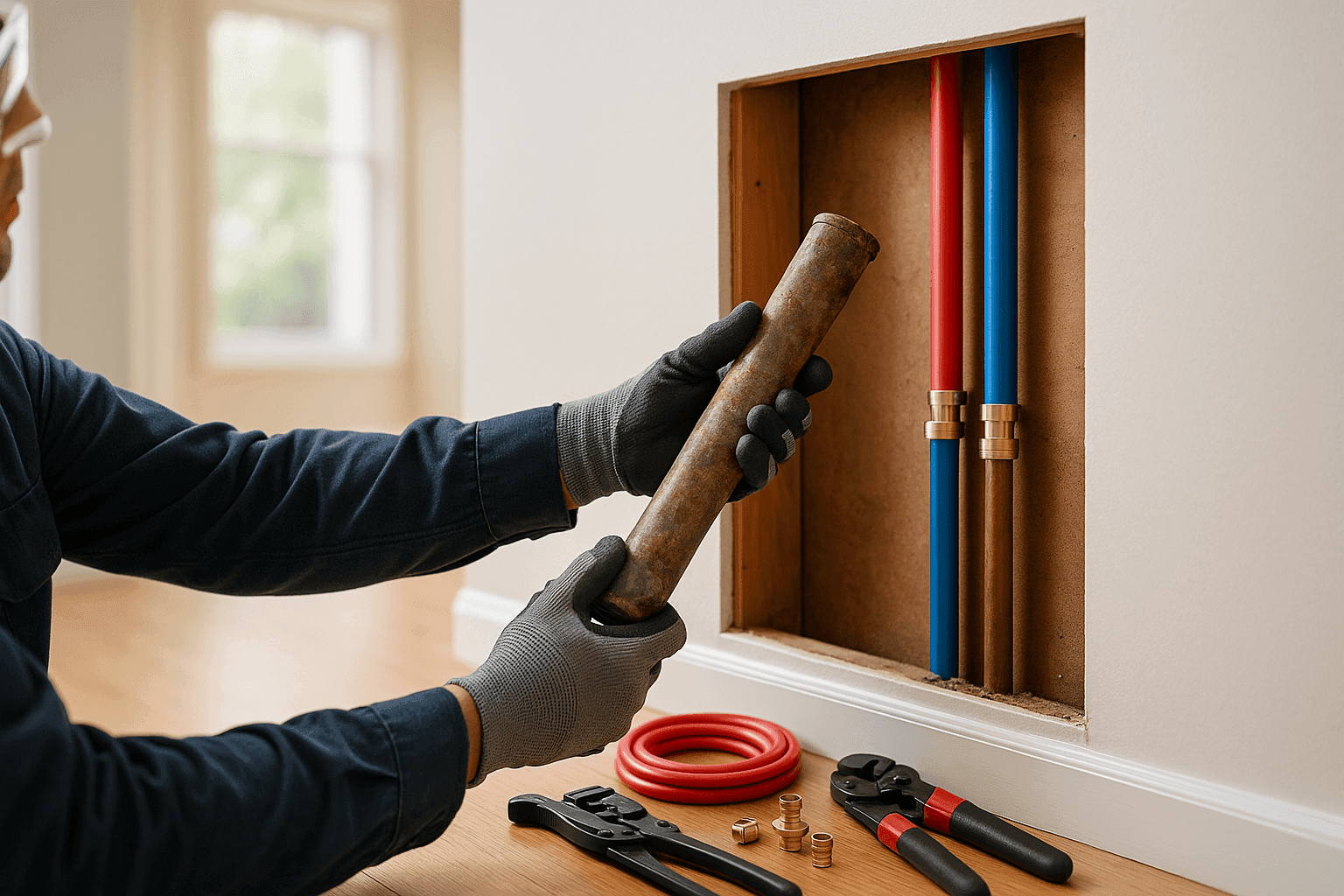
Plumbing is the unseen lifeblood of your home. When it fails, life comes to a screeching halt. Leaks, low water pressure, and rusty water aren’t just annoyances—they’re warning signs. If you’re researching repiping, you already know how disruptive plumbing problems can get.
At 4 Way Plumbing, we’ve helped thousands of homeowners make sense of this big decision. You want answers, not sales talk. Here’s what you really need to know about the cost of repiping your home.
When to Consider Repiping
Not every leak means your house needs a full overhaul. But sometimes, patching is just putting a bandage on a broken leg. So, when should you think about repiping?
- Recurring leaks: If you keep calling for emergency plumbing or pipe repair, it’s time for a bigger fix.
- Aged pipes: Homes built before the 1970s often have galvanized steel or even lead pipes. These materials corrode and can be unsafe.
- Rusty or discolored water: Brown or yellow water is a red flag.
- Low water pressure: Multiple weak faucets? Sediment or corrosion may be choking your pipes.
- Major renovations: Remodeling the kitchen or bathrooms? It’s smart to address old pipes now.
- Persistent plumbing odors: That musty smell may mean leaks in hidden areas.
Think of aging pipes like an old garden hose left in the sun for decades. Sooner or later, cracks and leaks pop up everywhere. Repiping replaces the whole hose—no more patchwork fixes.
Cost Breakdown: What Affects the Price?
Repiping costs can swing from a few thousand dollars to well over $10,000. Why such a big range? Let’s break it down.
- Home size: The bigger the house, the more piping and labor needed. A small bungalow (1,000 sq ft) might cost $3,000–$6,000. A two-story, 2,500 sq ft home could run $8,000–$15,000.
- Number of bathrooms and fixtures: More sinks, toilets, and showers mean more connections to replace.
- Pipe material: Copper, PEX, CPVC, and others come at different price points (more on this below).
- Accessibility: Pipes hidden behind brick, tile, or concrete are harder (and pricier) to replace than those in open basements or crawlspaces.
- Local labor rates: Urban areas and high-cost-of-living regions tend to be pricier than rural locations.
- Permits and inspections: Most cities require permits for repiping. These add to the cost, but ensure safety and code compliance.
- Wall/finish restoration: Cutting into drywall or tile to access pipes means additional costs for patching and painting.
What’s Included?
A reputable plumber will include:
- All new pipes (throughout the whole system, not just “visible” parts)
- New shut-off valves and supply lines
- Connection to fixtures
- Pressure testing and inspection
- City permit and coordination with local inspectors
- Clean-up and basic wall patching
Worried about going over budget? Ask for a detailed, written estimate that lists every step.
Pipe Material Options
Choosing the right pipe is like picking tires for your car—each has trade-offs.
Copper
- Pros: Long-lasting (50+ years), resists bacteria, good resale value.
- Cons: Expensive, labor-intensive to install, sensitive to acidic water.
PEX (Cross-Linked Polyethylene)
- Pros: Flexible, quick to install, resists scale and chlorine, less expensive than copper.
- Cons: Sensitive to UV light (can’t be used outdoors), may not be allowed everywhere.
CPVC
- Pros: Resists corrosion, cheaper than copper, easy to work with.
- Cons: Brittle in cold climates, can crack if water freezes.
Galvanized Steel & Lead
- Cons: Outdated, prone to corrosion and health hazards. Must be replaced.
Tip: Many modern homes use a combination—PEX for long runs, copper for exposed areas.
DIY vs. Professional Repiping
Tempted to save money by DIY? Repiping is not like swapping a showerhead. It’s more like heart surgery for your home.
DIY
- Pros: Save labor costs.
- Cons: Risk of code violations, leaks, insurance issues, and failed inspections. Can hurt resale value.
Pro
- Pros: Licensed, insured, code-compliant. Most cities require a licensed plumber for repiping.
- Cons: Higher upfront cost.
When it comes to emergency plumbing or repiping, cutting corners can cost you far more in water damage and code headaches.
How to Budget for Repiping
Planning ahead makes this big job much easier. Here’s how to get started:
- Get 2–3 written estimates from licensed plumbers (look for clear explanations, not just numbers).
- Set aside 10–20% extra for surprises—wall repairs, extra permits, or hidden leaks.
- Ask about financing: Some plumbers offer payment plans.
- Check your insurance: Repiping is usually not covered, but related water damage sometimes is.
- Plan for short-term water shutoff: The job can take 2–7 days, depending on your home’s size.
Before & After: What to Expect
Before: Old pipes, low pressure, frequent leaks. Water tastes off, rust stains in sinks.
After: Consistent water flow, no more rusty water, peace of mind. You might notice lower water bills if leaks were costing you.
Checklist for Hiring a Plumber
Don’t just pick the first result for “Boiler Repair near you” or “emergency plumbing.” Use this quick checklist:
- Is the plumber licensed and insured?
- Do they pull permits and arrange inspections?
- Will they provide a written, detailed estimate?
- Are reviews and references available?
- Do they offer a clear timeline and explain their process?
- Is there a workmanship warranty on the repiping?
Cost-Saving Tips
- Repiping during a renovation can reduce labor and wall repair costs.
- Consider PEX or CPVC for lower material and labor costs (if allowed by code).
- Get bids in the off-season (winter is often slower for plumbers).
- Bundle repairs—fix water heater issues or replace old fixtures at the same time.
- Maintain your pipes: regular leak detection and water pressure checks can prevent major failures.
Regional Cost Differences 🌎
Where you live matters—a lot. Urban regions tend to have higher labor rates than rural areas. Cold climates may require more insulation or special pipe types, adding to costs. Warmer climates can sometimes use less expensive materials.
For example, repiping a home in Chicago or New York often runs 20–30% higher than in smaller towns. Always check that your plumber follows local building codes—city inspectors can require redos if the wrong material is used.
Transparency, Warranty, and Reviews
At 4 Way Plumbing, we believe in straight talk. We provide written estimates, explain every step, and share reviews from real homeowners. Our repiping projects include clear warranty info—so you know what’s covered, and for how long. No hidden fees or last-minute surprises.
FAQs
How long does repiping take?
Most homes are done in 2–7 days, depending on size and access. You’ll usually have water back each night.
Will my walls be destroyed?
Some wall openings are needed, but skilled plumbers minimize holes, and basic patching is included.
Can I live in my home during repiping?
Yes, but expect periods without water. Plumbers usually schedule work to minimize disruption.
Is repiping covered by insurance?
Usually not, unless there’s sudden damage from a covered leak. Always check your policy.
How to Get Started
Repiping is a big investment—but it’s one that protects your home for decades. No more “just patch it” fixes. No more mystery leaks.
Have questions or need advice tailored to your home?
Call 4 Way Plumbing now — or reach us anytime at 855-508-5170 .