How to Choose the Right Water Heater for Your Home
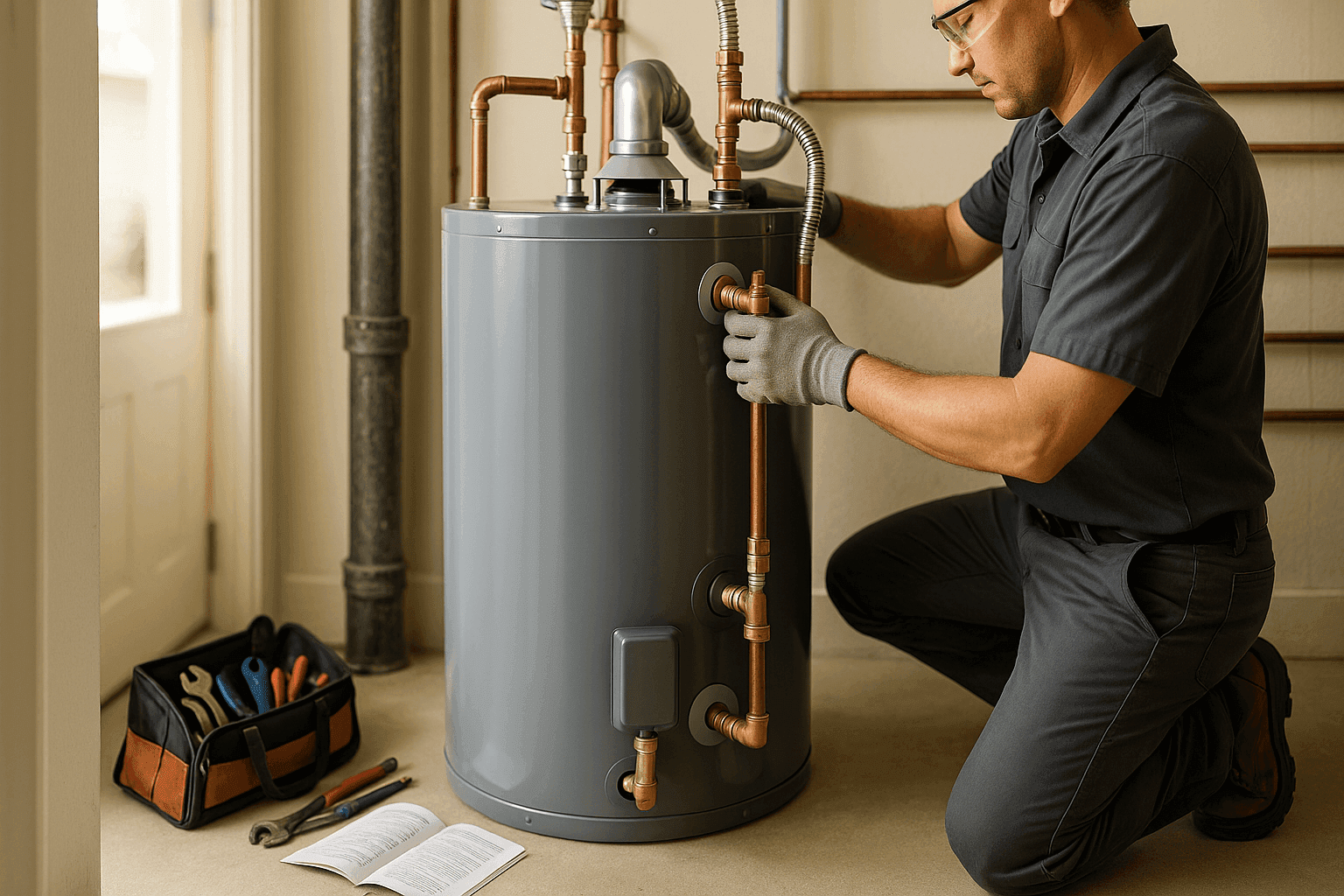
Choosing a water heater isn’t just about picking the biggest tank or the fanciest features. It’s about comfort, reliability, and feeling confident that your hot shower won’t turn ice-cold halfway through. At 4 Way Plumbing, we know the stress that comes when the old heater gives out—especially in the middle of winter. No homeowner wants to be left scrambling when the water runs cold.
With decades of hands-on experience in emergency plumbing, we’ve seen what works (and what doesn’t) in real homes, for real families. Here’s a practical guide to help you choose wisely, avoid common mistakes, and stay ahead of unexpected breakdowns.
Types of Water Heaters 🔥
Not all water heaters are created equal. Here’s a breakdown of the main types you’ll find in homes—and what makes each tick.
Tank Water Heaters
Think of the classic tank water heater as a big thermos. It stores 30–80 gallons, keeping water hot and ready to flow. When you turn on a tap, it draws from this reservoir.
Pros:
- Lower upfront cost
- Simple to install in most homes
- Familiar technology; easy repairs
Cons:
- Can run out of hot water during heavy use
- Higher energy bills (standby heat loss)
- Takes up more floor space
Tankless Water Heaters
Imagine a magic faucet—hot water, whenever you want, for as long as you need. That’s the tankless model. It heats water on demand, with no big storage tank.
Pros:
- Endless supply of hot water (great for big families)
- Compact—mounts on a wall
- Lower energy bills (no standby loss)
Cons:
- Higher initial price
- May need upgraded gas or electric service
- Can take a second or two to heat up
Hybrid (Heat Pump) Water Heaters
Picture a super-efficient fridge, but in reverse. Hybrid heaters pull heat from the air and use it to warm your water. They combine tank storage with heat pump tech.
Pros:
- Ultra-low running costs
- Eco-friendly and often eligible for rebates
- Cools and dehumidifies the space around it
Cons:
- Needs more space and ventilation
- Higher upfront price
- Less effective in cold basements or garages
How to Size Your Water Heater
Sizing a water heater is a bit like choosing shoes—too big and you’re wasting money, too small and you’ll be left cold and uncomfortable. Here’s how to find the right fit.
Sizing Chart: Match Your Needs
- 1–2 people: 30–40 gallons (tank), 3 GPM (tankless)
- 3–4 people: 40–50 gallons (tank), 6–7 GPM (tankless)
- 5+ people: 50–80 gallons (tank), 8+ GPM (tankless)
GPM = gallons per minute. Look for flow rates on tankless models, and total capacity for tank types.
Quick tip: Consider high-usage times—like everyone showering in the morning. If you run multiple appliances at once, go up a size.
Cold Climate vs. Warm Climate
- Colder areas: Water enters your home at a lower temperature, so the heater works harder. Consider sizing up or using a more powerful model.
- Warmer areas: Incoming water is already warmer. You may get by with a smaller heater, saving energy and money.
Gas vs. Electric Considerations ⚡️
Choosing your energy source is more than a coin toss. It’s about what’s available in your home—and what makes sense for your budget and safety.
Gas Water Heaters
Upside: Heats water quickly, often works during power outages, and may have lower energy costs in areas with affordable natural gas.
Downside: Needs proper venting, regular gas safety checks, and can’t be installed everywhere. Always follow local codes and have certified pros handle gas line installation.
Electric Water Heaters
Upside: Simple, safe, and easy to install almost anywhere. No venting required. Electric models are often more efficient in mild climates.
Downside: May cost more to run if electricity rates are high. Recovery time (how fast it reheats) is usually slower than gas.
Cost & Efficiency Comparison 💸
Let’s talk dollars and sense.
- Tank models: $600–$1,500 installed (varies by size/energy source). Ongoing energy use is higher due to standby loss.
- Tankless models: $1,000–$3,000 installed. Higher efficiency can pay off over time, especially for busy households.
- Hybrid models: $1,500–$3,500 installed. Super-efficient, but best in warm climates or well-ventilated spaces.
Rebates: Many states and utilities offer rebates for energy-saving heaters—especially hybrids and select tankless models (check ENERGY STAR® and local programs).
Efficiency Tips
- Look for high EF (Energy Factor) or UEF (Uniform Energy Factor) ratings.
- Insulate hot water pipes to cut heat loss.
- Set your water heater to 120°F—hot enough for comfort, safe enough to prevent scalding.
Professional Installation Benefits 🛠️
Water heaters look simple from the outside. But behind the scenes? It’s a maze of safety codes, venting rules, and electrical or gas hookups.
Why have a certified installer handle it?
- Correct sizing and placement—measured for your home’s plumbing and electrical/gas load.
- Code compliance. Licensed plumbers follow the latest local and national safety guidelines (see: Uniform Plumbing Code, National Fuel Gas Code).
- Warranty protection. Manufacturers often require professional installation for warranty coverage.
- Accurate leak detection and backflow prevention—critical for family safety.
“We see it all the time: a quick DIY job turns into an emergency plumbing call. A little up-front care saves a lot of headaches down the line,” says one of our certified team leads.
Maintenance Tips for Long Water Heater Life
A well-cared-for heater is like a reliable old truck. Treat it right, and it won’t leave you stranded.
- Drain and flush the tank annually to remove sediment (prevents rust and banging noises)
- Test the pressure relief valve once a year
- Check for leaks around fittings and valves
- Inspect the anode rod every 2–3 years (it’s a small part that protects your tank from corrosion)
- Schedule regular preventative maintenance—especially if you have hard water or an older system
Warranty Info—What to Watch For
Water heater warranties vary. Most tanks offer 6–12 years of coverage—longer for top-end models. Tankless units typically come with 10–15 years on the heat exchanger.
Read the fine print: Warranties often require professional installation, annual maintenance, and may exclude damage from hard water or neglect. Keep your paperwork in a safe place, and ask your installer for details.
FAQ: Water Heater Decisions
How long should a water heater last?
Tank models: 8–12 years. Tankless: up to 20 years. Maintenance matters!
Do I need to upgrade my electrical panel for a tankless heater?
Sometimes—tankless electric units need a lot of power. A licensed installer can check your panel.
Is it safe to install my own gas water heater?
It’s not recommended. Gas leaks and improper venting are serious risks. Always use a certified installer for gas work.
What’s the best way to prevent leaks?
Annual inspections, replacing old hoses and fittings, and keeping an eye out for rust or puddles. Our plumbers can help with leak detection and repairs for peace of mind.
Local & Seasonal Considerations 🌦️
In colder regions, that first blast of icy water takes more energy to heat. Bigger tanks or higher-output tankless models are often needed. Insulating pipes helps fight heat loss, and backflow prevention is especially important during spring thaw or heavy rain.
Warm climates? You might save with a hybrid heat pump heater—or downsize your system to save energy year-round.
If you’re unsure, reach out. Our certified installers stay up-to-date on the latest codes and rebate programs in your area.
Ready to enjoy reliable hot water—without the guesswork? Call 4 Way Plumbing now — or reach us anytime at 855-508-5170 .