Bathroom Plumbing Upgrades for Comfort and Efficiency
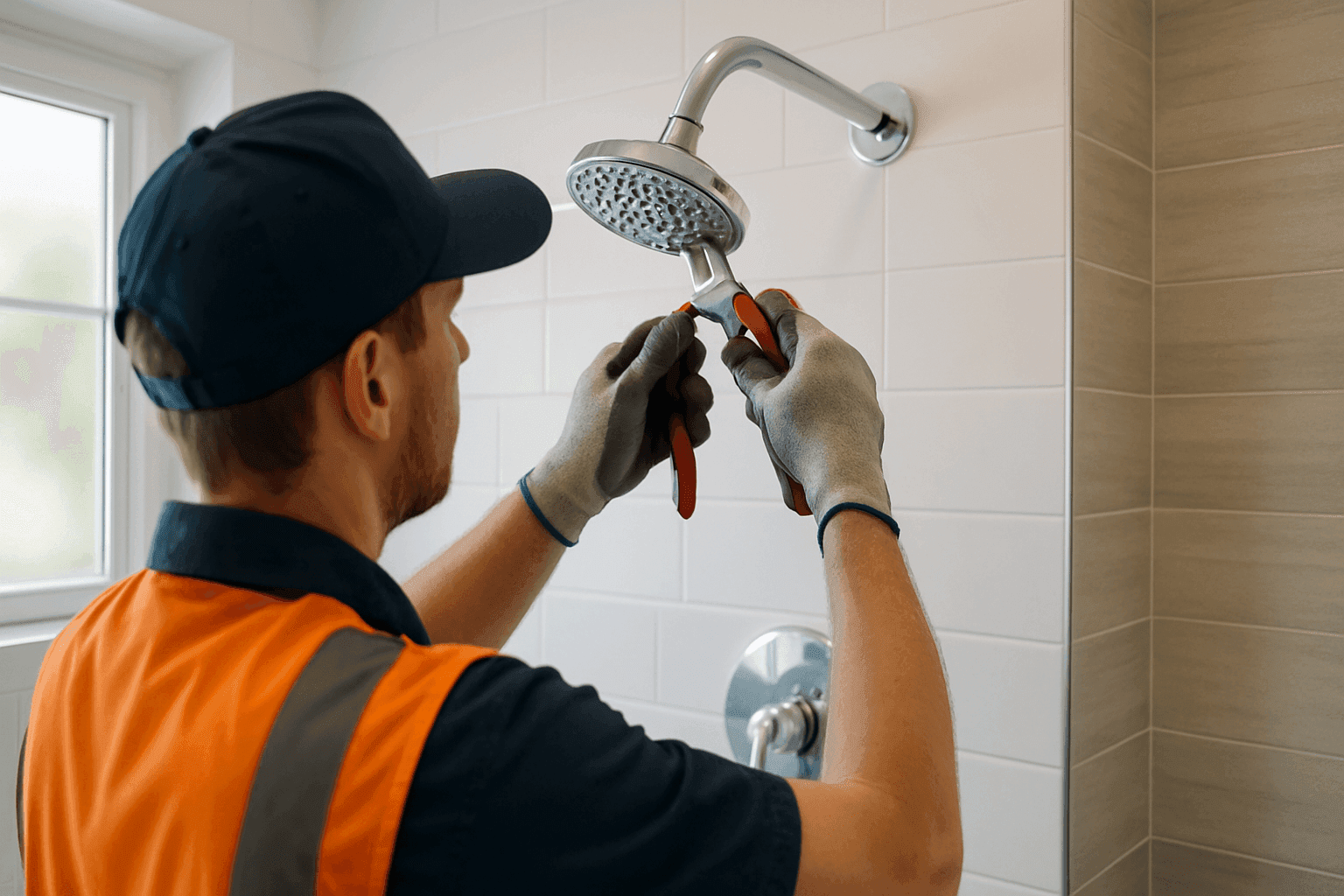
Ever step onto a cold bathroom floor in the morning and wish your whole bathroom just worked... better? Maybe your shower sputters or your toilet never quite flushes right. Or maybe you’ve seen that water bill creeping up—again. You’re not alone.
At 4 Way Plumbing, we help homeowners every day who want more comfort, less waste, and peace of mind that their bathroom plumbing is built to last. Whether you’re facing leaks, low pressure, or planning a remodel, thoughtful upgrades can turn that daily frustration into genuine comfort.
Benefits of Bathroom Plumbing Upgrades
Bathroom plumbing isn’t just about pipes behind the walls. It shapes your whole routine. The right upgrades deliver:
- Lower utility bills—Modern fixtures can slash water use by up to 50%.
- Greater comfort—Consistent water pressure, leak-free peace, and effortless controls.
- Future proofing—New piping and leak prevention mean fewer surprise repairs.
- Healthier water—Filtration systems and quality materials protect you from rust and contaminants.
- Home value boost—Up-to-date bathrooms are a big selling point.
Think of your bathroom as a car: regular tune-ups and smart upgrades keep it running smoothly, quietly, and for many years.
Choosing Water-Saving Fixtures 🚿
In drought-prone regions or homes with hard water, every drop counts. WaterSense-labeled products (certified by the EPA) are the gold standard—these toilets, faucets, and showerheads use less water without sacrificing performance.
Top fixture choices:
- Low-flow toilets—Cut water use per flush from 3–5 gallons to 1.28 gallons or less. Dual-flush models let you choose how much water to use.
- High-efficiency faucets—Aerators reduce flow but keep pressure strong.
- Modern showerheads—Look for WaterSense models for a balance between comfort and efficiency.
Product picks:
- Kohler Highline WaterSense Toilet
- Moen 6400 WaterSense Faucet
- Delta WaterSense Showerhead
Cost range:
- Toilets: $200–$600 (plus installation)
- Faucets: $80–$300
- Showerheads: $30–$200
Why it matters
A leaky toilet can waste 200 gallons a day—enough to fill a small pool every month. Upgrading is like fixing a leaky roof before it becomes a waterfall.
Planning a Remodel
Remodeling your bathroom? That’s the perfect time to modernize the plumbing. It’s not just about new tile or a sparkling tub—old pipes, worn valves, and outdated layouts can cause endless headaches down the road.
Key considerations:
- Repiping: If your home is over 30 years old, pipes may be corroded or at risk of bursting. Copper and PEX are today’s durable choices.
- Fixture layout: Moving toilets or sinks? This often requires careful planning to meet local plumbing codes (refer to International Plumbing Code for guidelines).
- Leak detection: Install shut-off valves and leak sensors. A small investment now can save thousands in water damage later.
- Water pressure: Upgrading supply lines or pressure regulators can solve weak showers and slow fills.
Before/after:
A recent homeowner replaced corroded galvanized pipes, upgraded to low-flow fixtures, and added leak sensors. Before: brown water, constant drips, poor pressure. After: crystal-clear water, steady flow, no more midnight leaks.
Professional vs. DIY
Some plumbing fixes are tempting weekend projects. But bathroom upgrades often require more than a wrench and elbow grease.
When DIY works:
- Swapping out a showerhead or faucet (if shut-off valves work and instructions are clear)
- Installing a toilet seat or handle
When to call a licensed plumber (like 4 Way Plumbing):
- Pipe or valve replacement (risk of leaks or flooding)
- Toilet or tub installation (waterproofing is critical)
- Leak detection and repair (hidden leaks can cause mold and structural damage)
- Repiping or rerouting lines (must meet code)
- Emergency plumbing issues (burst pipes, sewer backups)
Remember, plumbing codes exist for a reason: safety, water quality, and insurance coverage all depend on doing it right.
Maintenance Tips for Lasting Comfort 🛠️
A little attention goes a long way. Like brushing your teeth to prevent cavities, routine care keeps plumbing healthy.
- Check for leaks: Inspect under sinks and around toilets monthly. Listen for running water.
- Clean aerators and showerheads: Mineral buildup from hard water can clog fixtures. Soak parts in vinegar every few months.
- Test shut-off valves: Make sure you can turn off water quickly in an emergency.
- Flush your water heater: Sediment can reduce efficiency and lead to cold showers.
- Schedule annual inspections: A licensed plumber can spot small problems before they become big ones.
Tip: Hard water? Consider a whole-home water filtration system or softener to protect pipes and fixtures.
Costs and Time Factors
Every home is different, but here’s what you can expect for common bathroom upgrades:
- Low-flow toilet install: 2–4 hours, $200–$600 for the fixture, plus labor ($150–$400)
- Repiping bathroom: 1–2 days, $1,500–$4,000 (depends on size and materials)
- Leak detection and repair: $150–$700, based on complexity
- Shower or faucet upgrade: 1–3 hours, $80–$300 for fixtures, $100–$300 for labor
Remember: quality work may cost more upfront but saves money (and stress) over time.
When It’s an Emergency
Sometimes, you don’t have the luxury of planning. Burst pipe at midnight? Overflowing toilet on a Sunday? Emergency plumbing is what we do—no matter the hour.
Common emergencies:
- Major leaks or flooding
- Sewer line backups (slow drains, gurgling toilets)
- No hot water (especially in winter)
- Gas leaks (immediate evacuation and gas line shut-off required)
If you’re facing any of these, don’t wait. Water damage spreads fast, and sewage backups pose real health risks. Emergency plumbing help is just a call away.
Frequently Asked Questions
How can I tell if my bathroom pipes need replacing?
Look for low water pressure, rusty or discolored water, frequent leaks, or visible corrosion on exposed pipes. Older homes (built before the 1990s) may have galvanized or polybutylene pipes, which are prone to failure.
Will water-saving fixtures really make a difference in my water bill?
Yes! Replacing a single old toilet with a WaterSense model can save up to 13,000 gallons per year (EPA). Multiply that by all your fixtures, and savings add up quickly.
Do I need permits for bathroom plumbing upgrades?
Most major work—like moving fixtures, repiping, or installing new drains—requires a permit and inspection. Always check your city or county building department.
Can I prevent hard water scale in my bathroom?
Installing a water softener or filtration system helps protect fixtures and pipes from mineral buildup. Regular cleaning with vinegar also keeps faucets and showerheads flowing strong.
Local and Seasonal Considerations 🏜️
If you live in a drought-prone area, water conservation is more than a good idea—it’s a necessity. Many regions now require low-flow fixtures in new builds and remodels. Hard water is another local challenge: it can reduce fixture lifespan and lead to mineral deposits.
Pro tip: Have your water tested before starting a remodel. Knowing your water’s chemistry helps you choose the right filtration, softening, or treatment solutions.
Winter brings its own risks. Frozen pipes can burst and cause major damage. Insulate pipes on exterior walls and leave cabinet doors open during cold snaps to let warm air circulate.
Ready for Comfort and Efficiency?
A better bathroom isn’t just a dream. With the right upgrades, you can enjoy lower bills, fewer hassles, and a space that just works—every day.
Call 4 Way Plumbing now — or reach us anytime at 855-508-5170 .