Backflow Prevention: Why Every Home Needs It
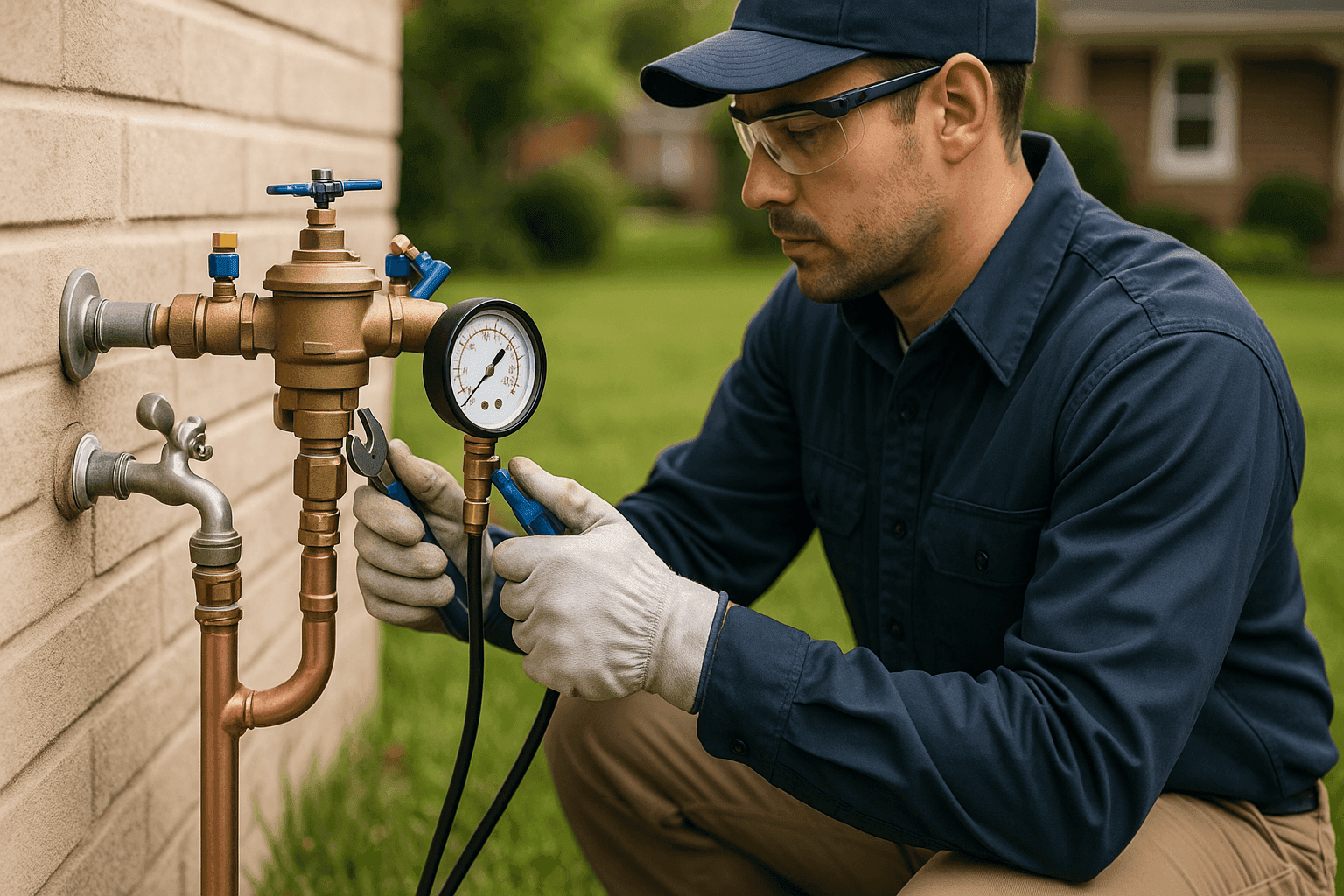
Is your home’s water as clean as you think? Every day, invisible threats could sneak into your pipes. One small failure can put your family’s drinking water at risk. That’s where backflow prevention comes in.
At 4 Way Plumbing, we meet homeowners who never imagined their tap water could ever run backwards. But it can—and when it does, the health risks are serious. Let’s break down why backflow prevention isn’t just for commercial buildings or big cities. It’s for every home, including yours.
What Is Backflow? 🚰
Imagine your plumbing system as a one-way street. Water should flow smoothly from the city supply, through your pipes, and out your faucets. But sometimes, something goes wrong. Pressure changes push water the wrong way, sucking dirty water back into clean lines.
Backflow happens for two main reasons:
- Backpressure: When pressure inside your house (think a boiler or irrigation system) gets higher than the city supply.
- Backsiphonage: When city supply pressure drops suddenly—a broken water main, for example—creating a vacuum.
This isn’t just a technical hiccup. It can pull in fertilizers, sewage, chemicals, or bacteria. Even a garden hose left in a puddle could become a highway for contamination.
According to the Centers for Disease Control and Prevention (CDC), backflow incidents have caused outbreaks of waterborne illness across the United States. It’s a risk you don’t want to ignore.
How Backflow Devices Work
A backflow prevention device is like a security gate for your water supply. It only lets water move in one direction—into your house, not out. There are several types, but the most common for homes are:
- Atmospheric Vacuum Breakers (AVBs)
- Pressure Vacuum Breakers (PVBs)
- Double Check Valve Assemblies (DCVAs)
- Reduced Pressure Zone (RPZ) assemblies
Each device is designed to slam shut if water starts to reverse. Think of it as a traffic cop who blocks the wrong-way drivers.
These aren’t just fancy gadgets. In many places, they’re the law. Local and state plumbing codes—including the International Plumbing Code (IPC), Uniform Plumbing Code (UPC), and city-specific ordinances—require backflow prevention devices on irrigation systems, boilers, and sometimes even kitchen plumbing.
Backflow Testing Explained
Installing a device is only step one. Annual testing is just as important. Over time, valves can stick. Springs can weaken. Sometimes, grit or debris stops the device from sealing. That’s why plumbing codes in cities like New York, Chicago, Los Angeles, Dallas, and Charlotte require certified testers to check devices every year.
Here’s how the process works:
- Certified tester arrives: Only state-licensed plumbers or backflow specialists are allowed to perform the test. At 4 Way Plumbing, we are certified for all major backflow devices.
- Device is isolated: The water supply to the device is shut off temporarily.
- Test gauges are attached: These measure if the device holds pressure and closes properly.
- Results are recorded: The tester fills out a form for the homeowner and city.
- Repairs or cleaning (if needed): If the device fails, it’s either cleaned or repaired on the spot.
Many cities—like Dallas, Seattle, and most of California—require you to file these results with the water department. No annual test? You could face fines or even have your water shut off.
Signs You Need a Device
Not sure if your home needs backflow protection? Here are the most common signs:
- You have an irrigation system or outdoor sprinkler.
- There’s a boiler for heat or hot water.
- Your home uses a private well that connects to city water.
- You’ve installed a pool, hot tub, or decorative fountain.
- You notice changes in water taste, color, or smell.
- You see water flowing out of a device near your main shutoff—this could be a backflow event.
If you answered yes to any of these, your home is at risk. Plumbing code (see the IPC and UPC) often requires devices in these cases. Even if your city hasn’t made it mandatory, the risk to your drinking water is real.
Professional Installation & Costs
Backflow devices aren’t a DIY weekend project. They must be installed by certified professionals—like the crew here at 4 Way Plumbing—who are trained in current codes and able to handle city permits.
Why Use a Pro?
- Code compliance: Cities like Houston, Atlanta, and San Diego require permits and an inspection by the water department.
- Certified installation: Only licensed plumbers can install and test devices.
- Correct placement: Devices must be installed at the right height and orientation, or they won’t work.
- Documentation: You’ll need paperwork for your city or HOA.
What to Expect for Costs
Costs can vary depending on your plumbing layout and the type of device required:
- Device price: Simple vacuum breakers are inexpensive. RPZ assemblies cost more but offer higher protection.
- Labor: Most jobs take 1–2 hours, but complicated setups or older homes may take longer.
- Testing: Annual backflow testing is required and might cost less if combined with other plumbing services, like leak detection or preventative maintenance.
Remember, skipping certified installation or annual testing often leads to fines or even water shutoffs.
Code Compliance and City Permits
Local and state codes regulate who installs, tests, and repairs these devices. For example:
- California: Annual testing required; results must be submitted to the city water authority.
- Texas: Most cities (Dallas, Austin, Houston) enforce annual testing and certified installation.
- New York City: Strict annual testing for most residential and all commercial buildings.
- Chicago: Requires annual inspection and submission of test results to the Department of Water Management.
- North Carolina: Cities like Charlotte and Raleigh require permits for installation and enforce annual testing through local ordinances.
Check with your local water department or the American Water Works Association (AWWA) for specifics in your area.
Health Risks: Why Backflow Is Serious
Ignoring backflow prevention isn’t just a code violation. It’s a health risk. Contaminants that flow back into your home’s water can cause:
- Gastrointestinal illness (from bacteria or viruses)
- Chemical poisoning (from pesticides or fertilizers)
- Skin irritation or allergic reactions
The Environmental Protection Agency (EPA) and local health departments regularly warn about the dangers of cross-connections and backflow. A single incident can make your home’s water unsafe for days or even weeks.
Annual Testing Reminders
Don’t let your backflow device become a forgotten hero. Mark your calendar for annual testing—usually around the same time as your water heater check or preventative maintenance. Your city might even send a reminder, but don’t wait for a notice.
A failed device is like a broken lock on your front door. It’s not worth the risk.
Practical Tips for Homeowners
- Always use a certified, licensed plumber for installation and testing.
- Ask for your test report and keep it on file for city inspections.
- Don’t ignore strange tastes, smells, or cloudy water—call for leak detection or pipe repair right away.
- If you have a sprinkler system, make sure it’s winterized and checked annually.
- Never submerge hoses in buckets or pools; use a hose bib vacuum breaker.
Backflow Testing Mandates by State/City
Some examples of testing rules that may apply near you:
- Dallas, TX: Backflow devices on irrigation must be tested every year by a licensed plumber.
- Los Angeles, CA: Annual testing and registration required; penalties for missed tests.
- Charlotte, NC: City permit required for installation; annual testing enforced by city inspectors.
- Chicago, IL: All properties with cross-connections must submit annual test results.
- Seattle, WA: Testing required within 30 days of installation, then every 12 months.
If you’re not sure about your local rules, call your city’s water department or 4 Way Plumbing. We’re certified to install and test in compliance with all major codes.
Certified Installer Information
At 4 Way Plumbing, every backflow technician is licensed and certified as required by state law. We stay up to date with OSHA safety guidelines, EPA recommendations, and all city or county permit requirements. When you hire us, you get the peace of mind that comes with real credentials.
When to Call for Emergency Plumbing
If you notice:
- Water flowing backward out of fixtures
- Sewer smells from taps
- Sudden loss of water pressure
- Dirty or discolored water
Shut off your main water valve immediately and call an emergency plumbing service. Backflow can quickly turn from a minor annoyance to a major health emergency.
FAQ: Backflow Prevention at Home
Q: Can I install a backflow device myself?
A: No—most cities require certified, licensed plumbers to install and test backflow devices.
Q: How often should my device be tested?
A: Annually, or as required by your city’s code. Some high-risk properties may need twice-yearly testing.
Q: What happens if I skip annual testing?
A: You could face city fines, water shutoff, or risk serious health problems if contamination occurs.
Q: How do I know if my home already has protection?
A: Look for a device near your main shutoff or irrigation line. Or, call 4 Way Plumbing for a quick inspection.
Local and Seasonal Considerations
Backflow isn’t just a summer issue. In winter, frozen pipes can burst and cause sudden pressure changes. Spring storms and city water main breaks can trigger siphonage. No matter the season, your home needs protection.
Live in an area with frequent storms, flooding, or old infrastructure? Annual testing and regular maintenance are even more critical.
Your home’s water is worth protecting. Don’t wait for a code violation or a health scare. For certified installation, annual backflow testing, and emergency plumbing services—from boiler repair near you to leak detection—reach out to 4 Way Plumbing.
Call 4 Way Plumbing now — or reach us anytime at 855-508-5170 .